Maharaja Laxmiswar Singh Museum, Darbhanga
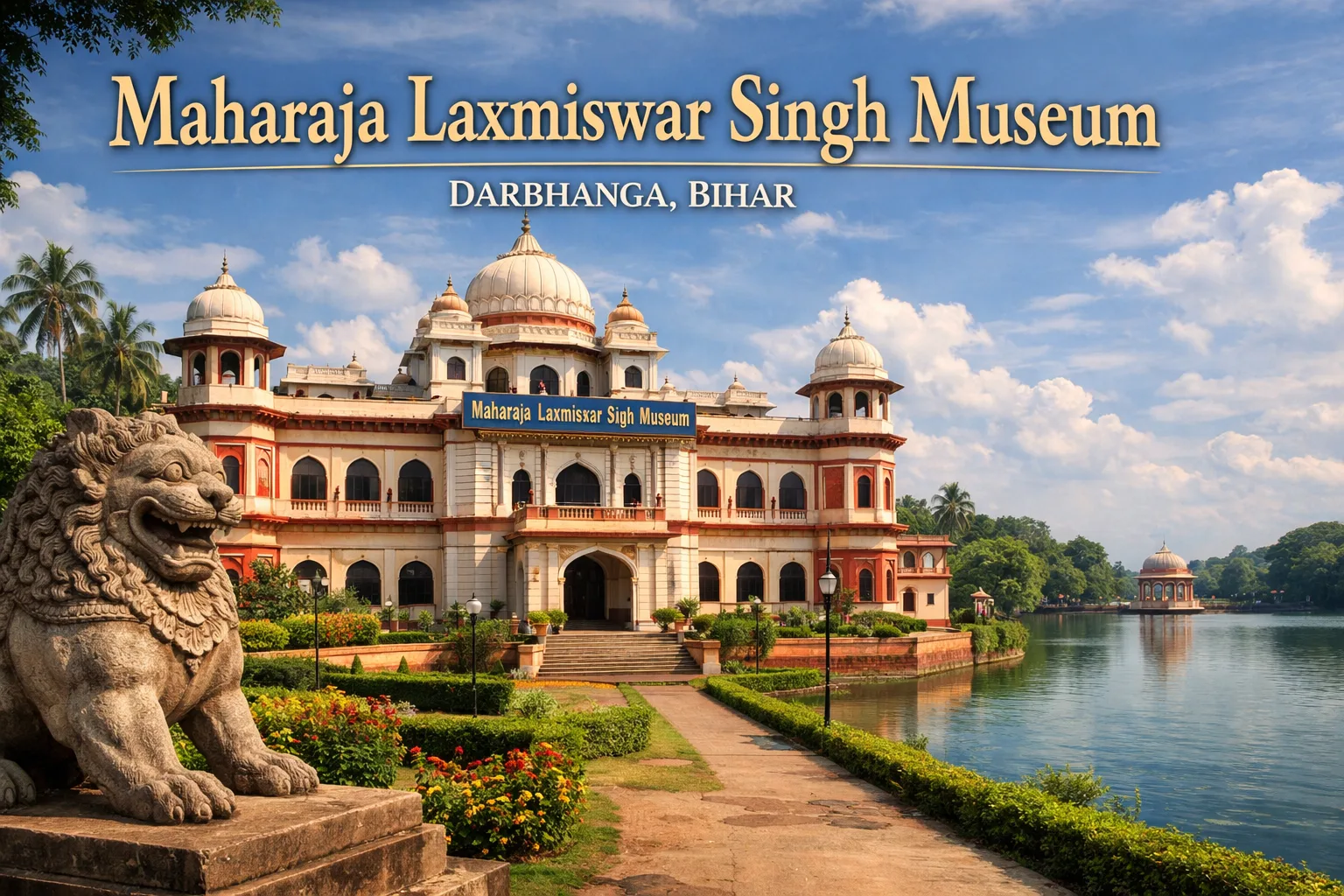
Tucked beside the serene Mansarovar Lake in the historic town of Darbhanga, in the Indian state of Bihar, the Maharaja Laxmiswar Singh Museum is a treasure house of royal heritage and artistic splendour. Established on 16 September 1977, this museum stands as a lasting tribute to the rich legacy of the Darbhanga Raj and its deep patronage of arts and culture.
Just a short stroll west-south of Darbhanga Railway Station, the museum welcomes visitors from all walks of life — every day except Monday — between 10:00 AM and 3:30 PM. Best of all, entry is absolutely free, making it a perfect cultural destination for families, students, history lovers and curious travellers alike.
A Brief Glimpse into History
The story of this museum begins with the royal family of Darbhanga, famed for its unwavering affection for art, learning and craft. In an extraordinary gesture of cultural generosity, Prince Subheshwar Singh donated priceless relics, rare artefacts and time-honoured treasures from the Darbhanga Raj collections to lay the foundation of this museum. The then District Magistrate of Darbhanga, Shri Ramashankar Tiwari, played a pivotal role in transforming this vision into reality.
The museum’s doors opened just south of the railway station, along the peaceful banks of the historic Mansarovar Lake — a perfect setting that blends heritage with the charm of nature.
What Awaits Inside: Splendour and Craftsmanship
The Maharaja Laxmiswar Singh Museum is thoughtfully laid out across eight distinct chambers, each showcasing a remarkable facet of royal art and craft. The displays range from precious metalwork and ivory carvings to stone sculptures and ancient weapons.
• Raj Singhasan Hall (Hall No. 1)
Stepping into the first hall, visitors are greeted by the majestic Royal Throne of Maharaja Rameshwar Singh. Crafted from wood and adorned lavishly with gold, silver, ivory and precious stones, this throne is an embodiment of power, dignity and artistic finesse. Around it are displayed other royal possessions, including a silver-made palanquin bed and ceremonial items that reflect the royal lifestyle of a bygone era.
The throne itself is a masterpiece. Its wooden base is inlaid with floral motifs so lifelike that they appear freshly plucked. Bands of silver with delicately fashioned elephants encircle the throne, while gold and silver panels portray scenes of wildlife — from playful elephants in water to leaping deer and roaring lions. At its heart gleams the royal fish monogram, symbolising the Raj family’s heritage.
• Metallic Artefacts Hall (Hall No. 2)
This hall displays an impressive array of metalwork. Among its gems are a copper globe and a circular shield, both etched with vivid scenes from the Ramayana, Mahabharata and Krishna-Leela.
• Stone Artifacts Hall (Hall No. 3)
Here, marble statues and stone carvings draw visitors’ admiration. A stunning circular marble table, carved from a single piece of stone and adorned with Greek-inspired figures, is a definite highlight.
• Ivory Chambers (Halls No. 4 & 5)
The museum’s collection of ivory artistry is among the finest in India. Delicate mats, nets, flowers and sculpted figures display astonishing skill and patience. A carved ivory shamiana seems almost alive in its detail, while elegant sofas and lions crafted from ivory capture the imagination.
• Weapons Hall (Hall No. 6)
This hall houses an assortment of royal weapons, ranging from ornate daggers to ceremonial arms once belonging to the kings of Darbhanga.
• Wooden Artefacts Halls (Halls No. 7 & 8)
Finally, two halls brim with wooden carvings and artefacts so finely made that they often resemble metal. Each item tells its own story of craftsmanship and tradition.
More than Just a Museum
The Maharaja Laxmiswar Singh Museum is not merely a display of artefacts; it is a gateway into the cultural heartbeat of Mithila and the royal traditions of Bihar. It connects visitors to a world where artisans’ hands brought metal, stone and ivory to life, and where history is preserved not just in books but in objects that once graced palace halls.
#FollowUs
If you’re planning a heritage visit like Maharaja Laxmiswar Singh Museum, these small travel essentials make the experience smoother — I’ve linked my favourites below.


Click the images to browse the travel essentials.
Discover more from Mithila Delights
Subscribe to get the latest posts sent to your email.