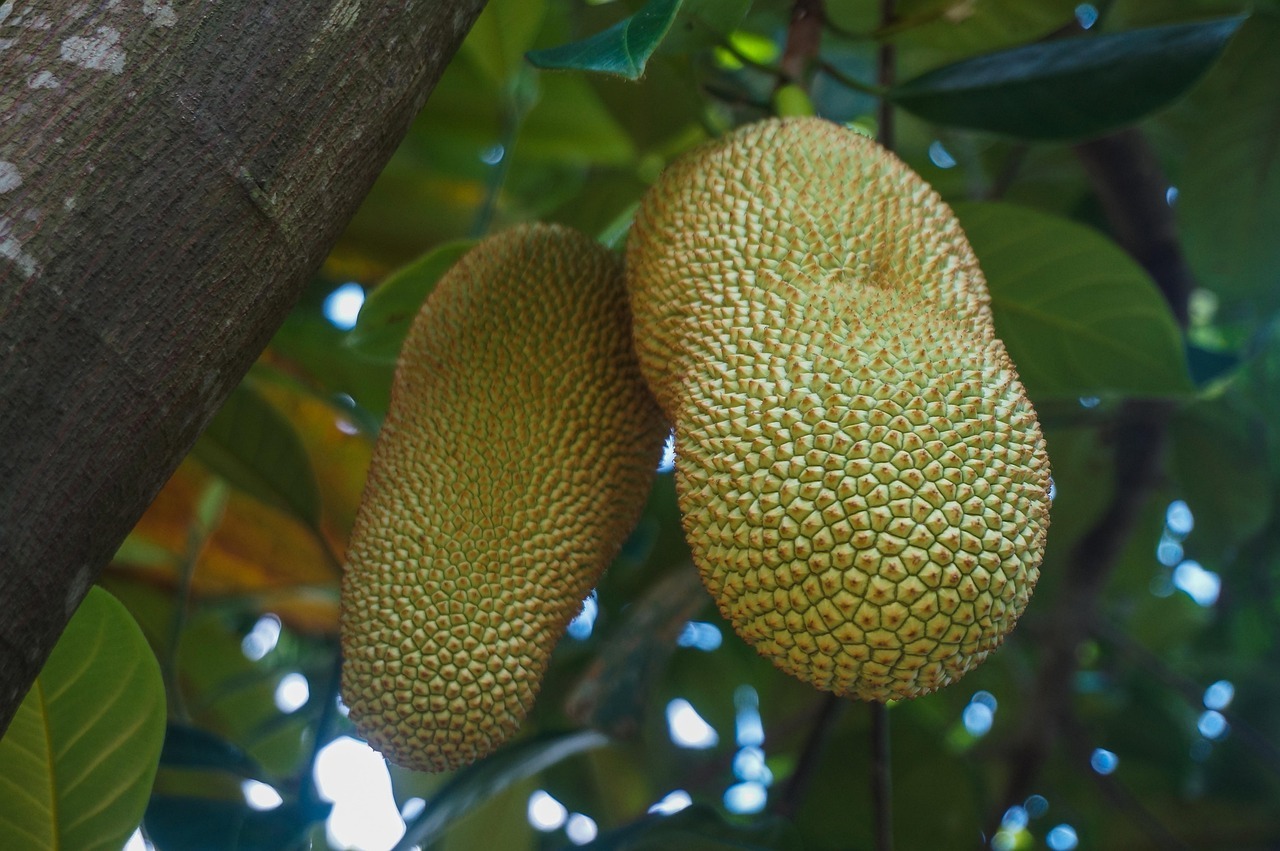
By S R NushiKowa – The Soul of Kathal (Jackfruit) in Mithila Kitchens
If you belong to Mithila, or if you have ever tasted food from this fertile and culturally rich land, you will understand one simple truth: jackfruit is not merely a fruit here — it is a feeling, a memory, and a part of everyday life.
In many Mithila households, childhood memories are closely tied to the aroma of kaccha kathal simmering slowly in the kitchen. Almost every family has its own style of preparing it. Some prefer jackfruit kofta in thick gravy. Others enjoy jackfruit korma cooked with warm spices. Jackfruit pickle sits proudly in glass jars, soaking in mustard oil under the sun. Then there is the popular kathal do pyaza, where onions and spices bring out its deep, meaty texture. All these dishes begin with raw jackfruit.

The finest vegetable is prepared when the jackfruit is still tender, almost like a baby fruit. In our region, we lovingly call it “Ledha kathal.” It is soft, cooks quickly, absorbs spices beautifully, and practically melts in the mouth. When cooked well, it does not feel like a vegetable at all; it feels rich and hearty.
And then come the seeds.
Jackfruit seeds are often overlooked in many places, but not in Mithila. Here, they are valued. When cooked slowly with potatoes and simple village spices, they become nutty, creamy, and deeply satisfying. Many people, including me, deliberately choose harder jackfruit while buying, simply because firm jackfruit means firm seeds — and firm seeds mean better taste.

There is a famous village saying in Maithili:
“अगर कटहल के सब्जी नीक तरह सँ बनाओल जाय, तऽ ई चिकन आ मटन के सेहो मात दे दैत अछि।”
(If jackfruit vegetable is cooked well, it defeats chicken and mutton.)
This is not just a playful statement. It reflects how seriously people take their kathal. Because of its dense texture and ability to absorb spices, jackfruit is often called the vegetarian meat of India. It is filling, flavourful, and satisfying without being non-vegetarian. In many homes, especially during religious occasions, jackfruit becomes the preferred substitute for meat dishes.
Kowa – The Sweet Treasure of Ripe Jackfruit
When jackfruit ripens, it transforms completely. The hard green exterior hides bright yellow bulbs inside, each one soft, sweet, and fragrant. In our part of Mithila, we call the ripe seeds and edible bulbs “Kowa.”
The sweetness of ripe jackfruit is intense — almost as if nature has poured sugar directly into it. Its fragrance is strong and unmistakable. If one fruit ripens on a tree, the air around it carries that sweet scent. You do not need to see the fruit; you can smell it.

But ripening also brings responsibility.
If a ripe jackfruit is left unattended, a local animal known as “Sonihar” may reach it before humans do. Therefore, families keep a close watch on their trees. Either the fruit is plucked at the right moment, or it is protected with nets and coverings. This simple act reflects rural wisdom — you must respect nature, but you must also protect what you grow.
Village life quietly teaches balance: enjoy the fruit, but guard it wisely.
The Season Now
At present, it is the season of raw jackfruit. Markets are full of green, spiky fruits waiting to be chopped and cooked. Vendors sit with oil-smeared knives, ready to cut through the sticky layers. Households are busy preparing fresh vegetables from tender kathal.
Ripe jackfruit will take time. That sweetness belongs to another part of the year.
For now, kitchens across Mithila are filled with the warm aroma of spices blending with soft jackfruit pieces. Steam rises from iron kadhais. Conversations continue as the vegetable cooks slowly. It is simple food, yet deeply satisfying.

In Mithila, kathal is not seasonal produce alone. It is part of identity — from Ledha kathal to Kowa, from spicy gravies to sweet ripeness. It carries the taste of soil, tradition, and memory.
If this story reminded you of home, share it with others. And do write your thoughts — every household has its own kathal story.
#FollowUs
Discover more from Mithila Delights
Subscribe to get the latest posts sent to your email.