All About Mithila: Culture, History, and Traditions
Mithila, an ancient land where knowledge, art, and everyday life move together
Introduction
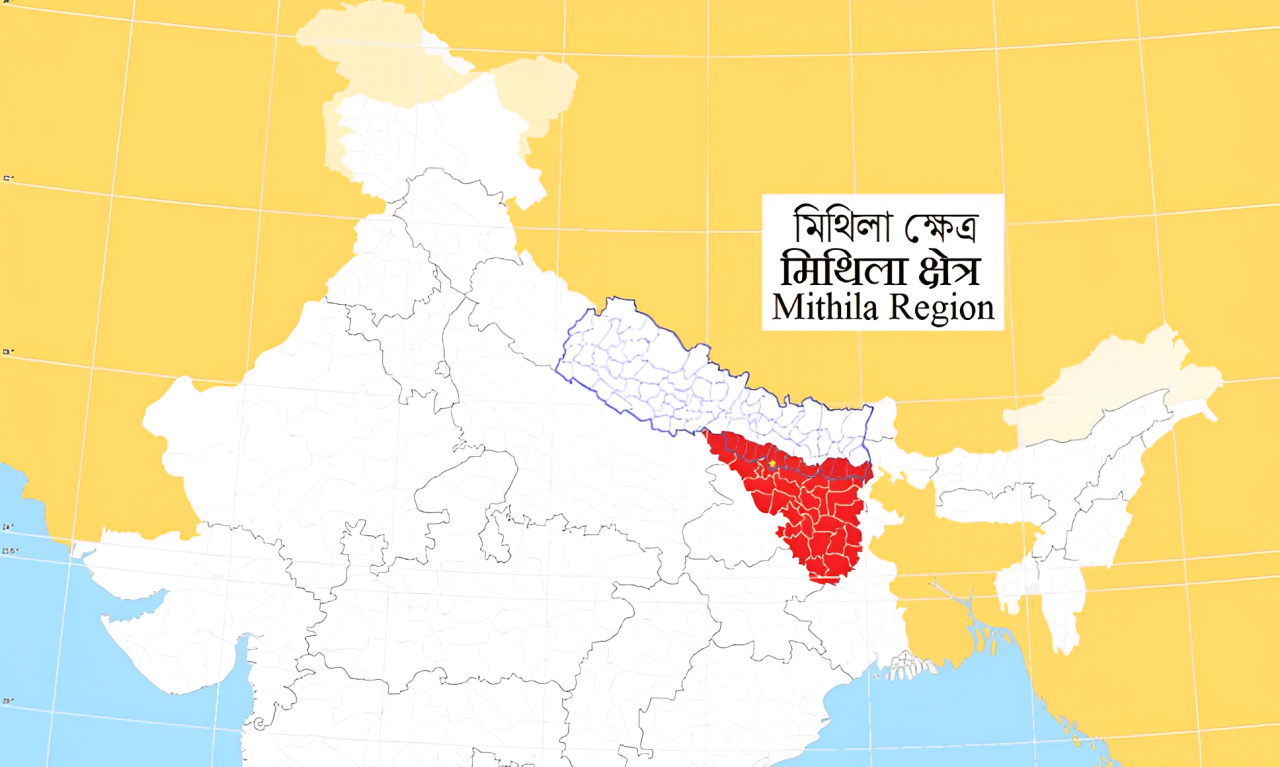
Mithila is a well-known geographical and cultural region of the Indian subcontinent. It is also called Mithilanchal, Tirhut, and Tirabhukti. Most of the Mithila region lies in present-day India, mainly in northern Bihar. A smaller part of it extends into the southeastern Terai region of Nepal. Mithila is surrounded by natural boundaries that clearly define the region. To the north, it is bordered by the Himalayas. On the other sides, it is enclosed by major rivers—the Ganges in the south, the Gandaki in the west, and the Mahananda in the east.
These rivers make the land of Mithila fertile and suitable for agriculture. For centuries, farming has been the main source of livelihood for the people here. The rivers have also helped shape the culture, traditions, and daily life of the region.
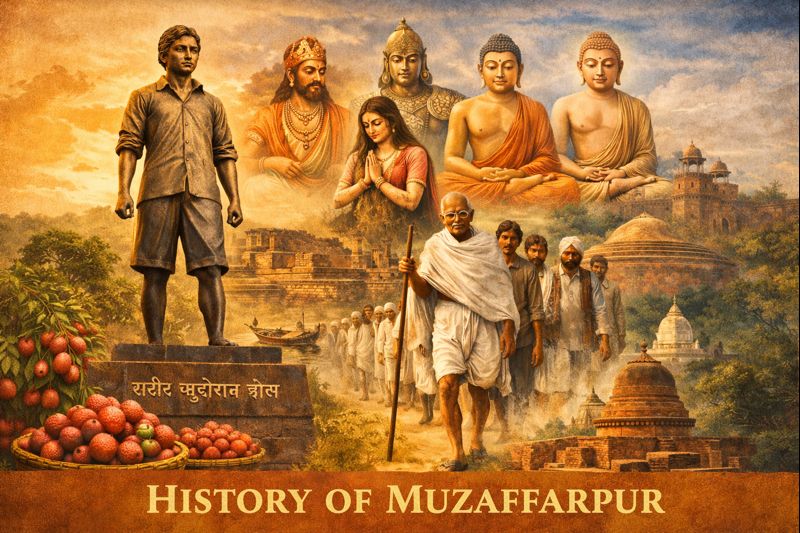
In ancient times, Mithila was known as Tirabhukti, which later became Tirhut. This name is found in old historical records and shows that Mithila had administrative and cultural importance in the past. Because of its location between the Himalayan foothills and the Gangetic plains, Mithila developed as a centre of learning, trade, and culture.
Even today, Mithila has a strong and distinct identity. Despite being divided between India and Nepal, the people of Mithila remain connected through their shared language, customs, festivals, and traditions. This common heritage continues to keep the spirit of Mithila alive across borders.
A Land Rooted in Ancient History
The history of Mithila goes back to the Vedic age. Ancient texts mention Mithila as a centre of learning, debate, and ethical inquiry. Over centuries, Mithila witnessed the rise and fall of kingdoms, yet its cultural core remained intact. Unlike many regions shaped mainly by political power, Mithila evolved through scholarship, rituals, and social discipline. This continuity explains why many ancient customs are still visible in everyday life.
Maithili Language: The Voice of the Region
Maithili is the soul of Mithila. Spoken by millions, it carries oral traditions, folk songs, poetry, and social values. For centuries, Maithili was used in literature, court records, and religious texts.
What makes Maithili special is its emotional depth and clarity. Daily speech is rich in metaphors drawn from nature, farming, and family life. Even today, Maithili songs mark every important moment—birth, marriage, festivals, and farewell rituals.
Madhubani Painting: Art of Daily Life

Madhubani painting is Mithila’s most globally recognized contribution. Traditionally drawn by women on walls and floors using natural colours, this art form was never meant for galleries. It was part of daily life.
Themes include nature, social events, marriage rituals, and spiritual symbols. Each line is precise, and empty spaces are avoided, reflecting a belief that emptiness brings imbalance. Over time, Madhubani art moved from walls to paper and canvas, providing livelihoods while keeping tradition alive.
Importantly, this art form has never belonged to a single class or caste. Different styles developed within different communities, yet all shared a common visual language.
Social Structure and Values
Mithila society places strong emphasis on education, dignity, and discipline. Traditionally, learning was considered a lifelong duty. Even today, respect for teachers and elders remains central to social life.
Family systems are close-knit. Decisions are often collective, and social responsibility is shared. Rituals are detailed and symbolic, reflecting the belief that every action has moral meaning.
Women in Mithila have historically played key cultural roles. From preserving songs and rituals to creating art, their contribution has shaped the region’s identity, even when public recognition came late.
Festivals and Ritual Traditions
Festivals in Mithila are closely tied to seasons, agriculture, and social harmony. Each festival follows specific rituals passed down through generations.
Marriage ceremonies in Mithila are especially elaborate. They include pre-wedding, wedding, and post-wedding rituals, each with defined cultural meaning. These ceremonies are not just personal events but community affairs.
Religious practices in Mithila emphasise discipline and balance rather than display. Rituals are performed with simplicity, following age-old methods rather than modern shortcuts.
Food Culture: Simple, Seasonal, Nutritious
Mithila cuisine reflects its agrarian roots. Food is seasonal, locally sourced, and balanced. Rice, lentils, vegetables, fish and milk products form the base of daily meals.
Special dishes are prepared during festivals and rituals, often without onion or garlic, following traditional rules. The focus is on purity, taste, and nourishment rather than excess.
Food is also deeply connected to hospitality. Guests are treated with respect, and sharing meals is considered a moral duty.
Modern Challenges and Cultural Continuity
Like many traditional regions, Mithila faces challenges from migration, economic pressure, and cultural dilution. Younger generations often move to cities for education and work, creating distance from traditional practices.
However, Mithila has shown resilience. Language movements, cultural festivals, digital platforms, and community initiatives are helping preserve and promote Maithili identity. Artists, writers, and educators are adapting traditions to modern contexts without losing their essence.
Mithila- A Living Civilization
Mithila is not frozen in the past. It is a living civilization that adapts while holding onto its roots. Its strength lies in balance—between tradition and change, knowledge and simplicity, individual life and social duty.
As interest grows in indigenous knowledge, folk art, and local histories, Mithila stands as a reminder that cultural richness does not require grand monuments. Sometimes, it lives quietly in language, rituals, and everyday life.
Understanding Mithila is not just about knowing a region. It is about recognizing a way of life shaped by respect, learning, and continuity.
#FollowUs
Discover more from Mithila Delights
Subscribe to get the latest posts sent to your email.