Anarsa: The Crisp Sweet That Carries the Soul of Indian Festivals
In the vast and colourful world of Indian sweets, some delicacies are not just eaten—they are remembered. Anarsa is one such timeless treat. Crisp on the outside, soft and aromatic within, Anarsa is more than a sweet; it is a celebration of tradition, patience, and cultural memory.
Deeply rooted in the culinary heritage of Bihar and its adjoining areas, Anarsa has been lovingly prepared for centuries during festivals, weddings, and sacred occasions. Its taste instantly transports one to a warm kitchen filled with the aroma of rice, jaggery, and ghee—where stories are shared and traditions quietly passed on. It is one of the oldest and much loved sweets of the Mithilanchal region.
What Exactly Is Anarsa?
Anarsa is a traditional Indian sweet made primarily from:
- Rice flour (prepared from soaked and dried rice),
- Jaggery or sugar,
- Ghee,
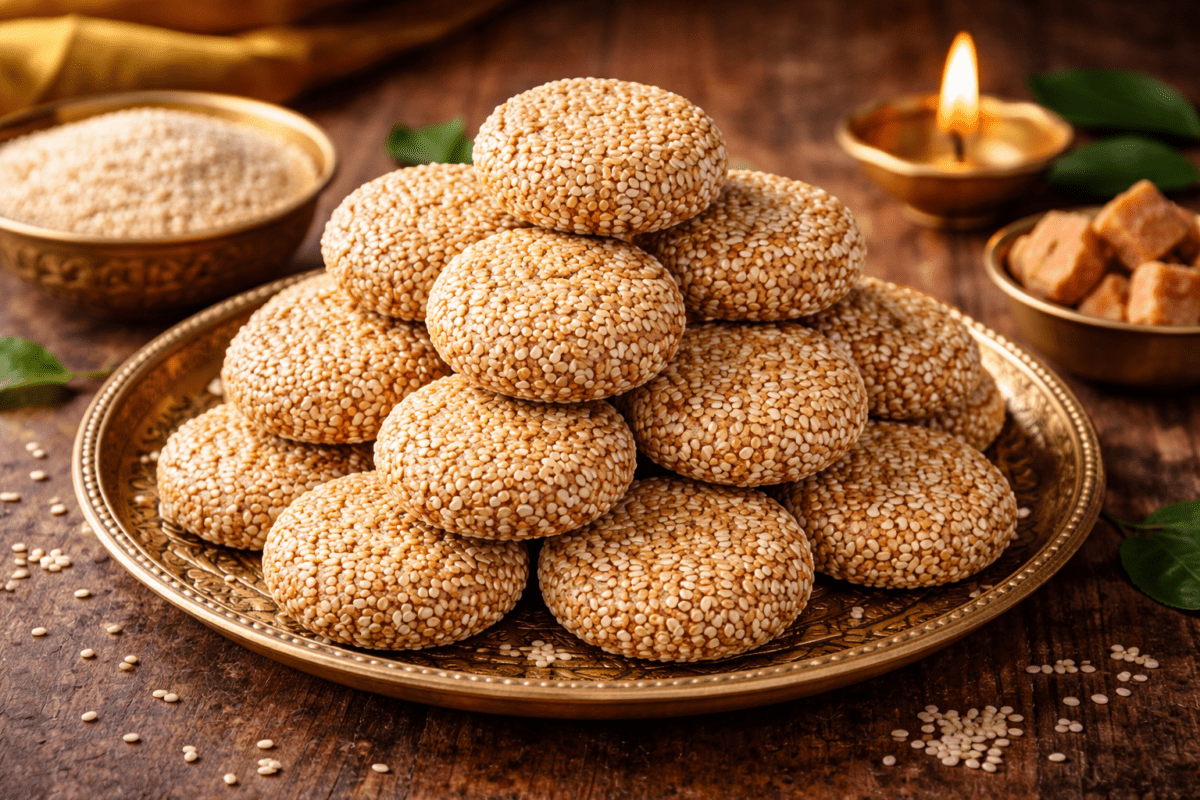
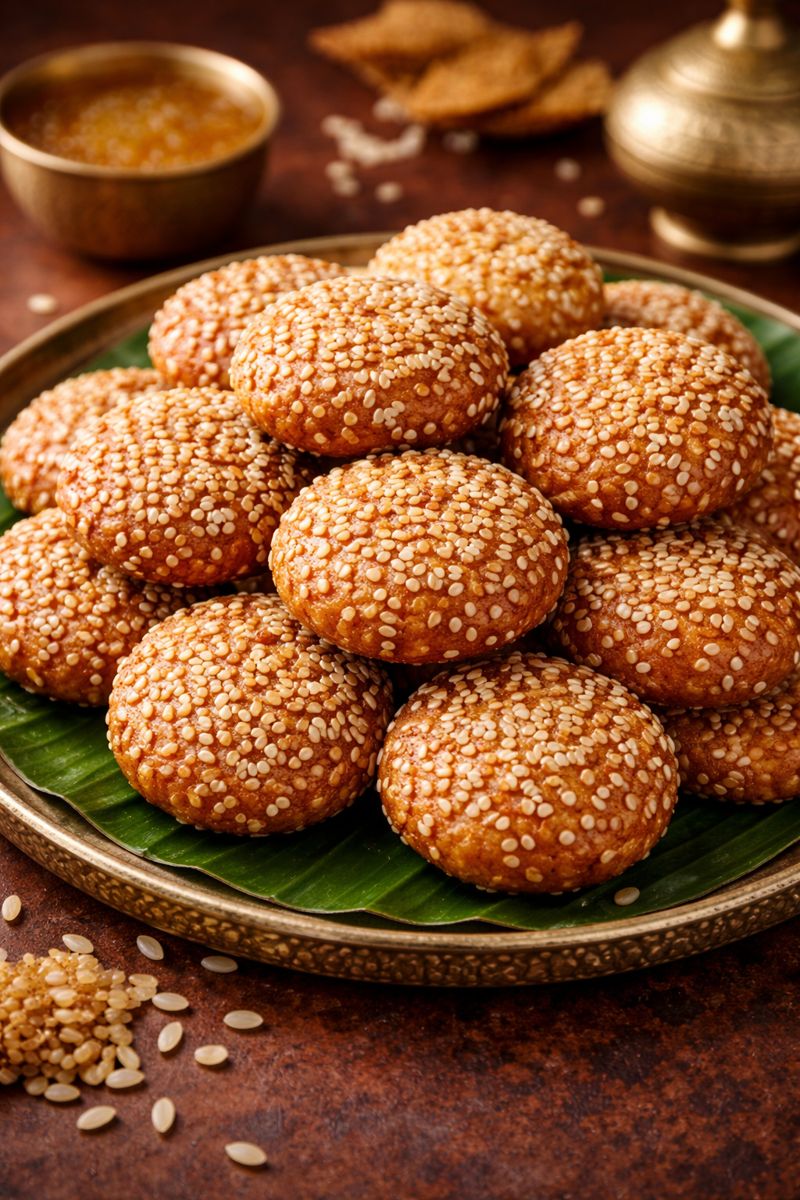
- Poppy seeds (khuskhus) for coating.
The dough is patiently fermented, shaped into small discs, coated with poppy seeds, and then gently fried in ghee until it turns golden and crisp. The result is a sweet that cracks softly with every bite, releasing a mildly sweet, nutty flavour.
Unlike many modern desserts, Anarsa does not rely on heavy syrups or artificial flavours. Its beauty lies in its simplicity.

Cultural and Regional Significance
A Festival Favourite
In Bihar and Mithila, Anarsa is inseparable from Chhath Puja, Diwali, and wedding rituals. It is considered auspicious and pure, often prepared as prasad or gifted to relatives.
Across Regions
- In Maharashtra, it is called Anarase and prepared during Diwali.
- In Uttar Pradesh, it holds a special place in festive home kitchens.
- In tribal and rural communities, it symbolises prosperity and gratitude after the harvest.
Anarsa is not rushed. The process itself reflects traditional Indian values—sabr (patience) and shiddat (care).
Why Anarsa Is Still Special Today
In an age of instant sweets and factory-made desserts, Anarsa stands out because:
- It uses minimal, natural ingredients
- It is deeply rooted in culture
- It has a long shelf life without preservatives
- It carries emotional and festive value
For many families, the making of Anarsa is a ritual—rice soaked days in advance, jaggery carefully chosen, and elders guiding the process with experience rather than measurements.
Taste, Texture, and Experience
- Texture: Crisp outer layer with a soft, slightly chewy centre
- Flavour: Mildly sweet, nutty, earthy
- Aroma: Subtle fragrance of ghee and rice
It pairs beautifully with:
- Evening tea
- Festive platters
- Gifts for relatives during festivals
Anarsa: A Sweet Worth Preserving
Anarsa is not just food—it is intangible heritage. Each piece carries memories of ancestral kitchens, clay stoves, and festivals celebrated under oil lamps. Preserving such sweets means preserving stories, identities, and regional pride. As people rediscover traditional foods and slow cooking, Anarsa deserves its rightful place back on our plates.
Discover more from Mithila Delights
Subscribe to get the latest posts sent to your email.