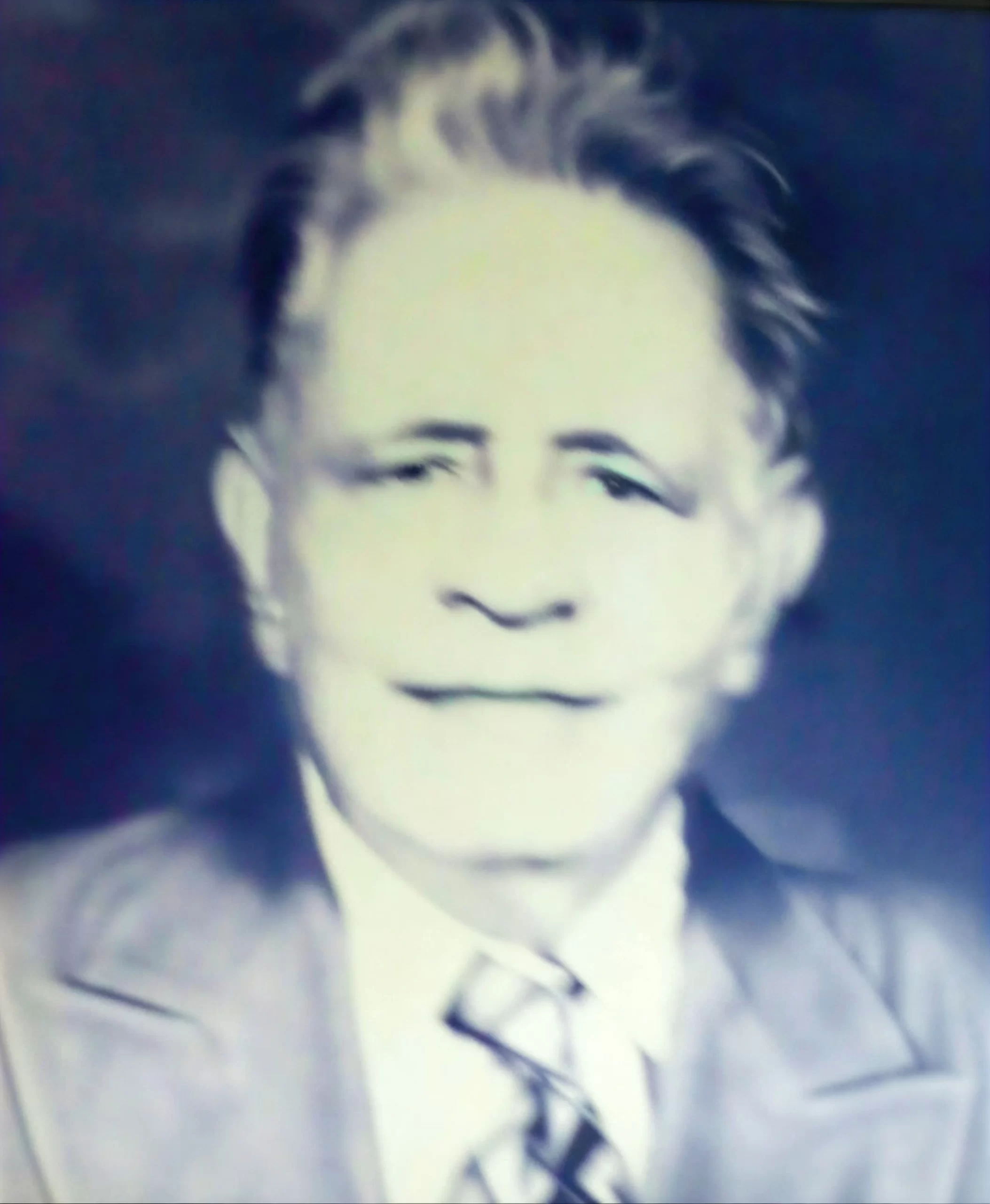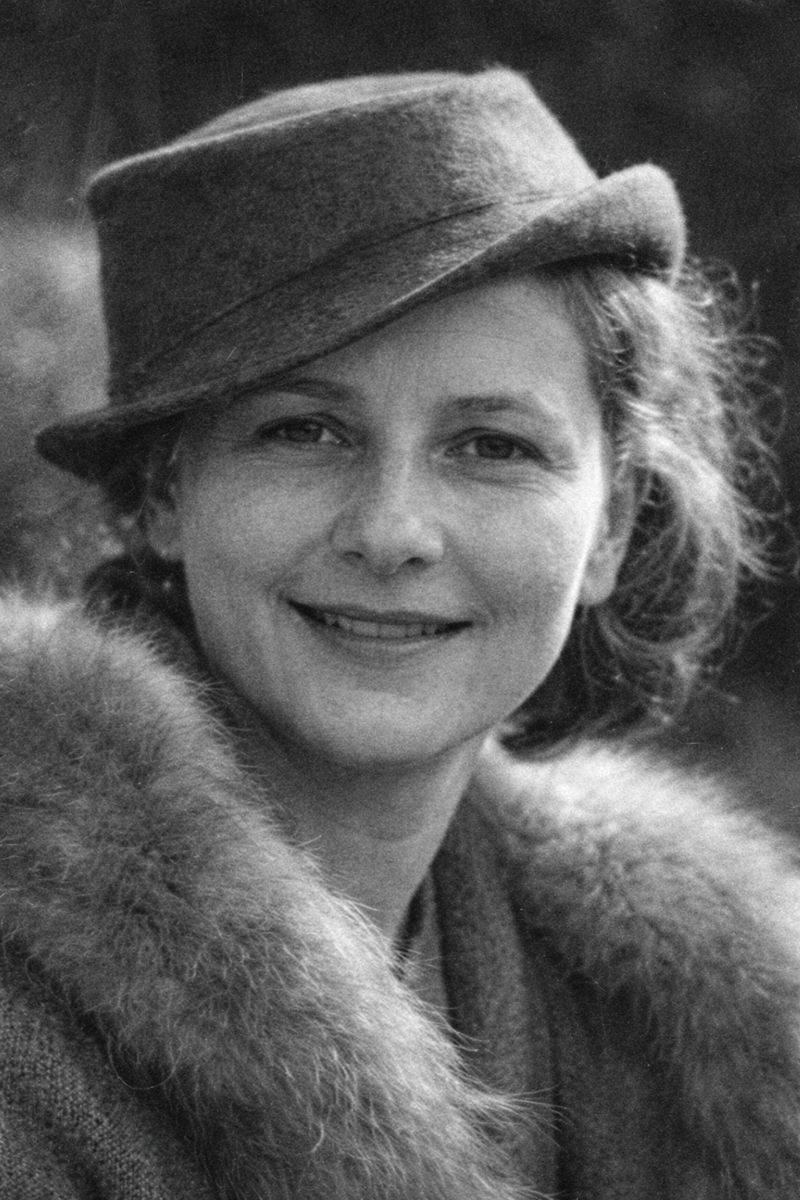
Betty von Fürer-Haimendorf: A Quiet Pioneer of Anthropological Writing
Some scholars shape disciplines through grand theories; others do so by quietly preserving human lives as they are lived. Betty von Fürer-Haimendorf belonged to the latter tradition. She was a careful observer, a patient ethnographer, and a writer whose work reflected deep respect for the people she studied.
Although she is often mentioned in connection with her husband, Christoph von Fürer-Haimendorf, Betty developed an independent scholarly voice—marked by empathy, precision, and ethical restraint.

Early Life and Birth
Betty von Fürer-Haimendorf was born in Darbhanga, in the Mithila region of present-day Bihar, during the period of British India.
Growing up in Darbhanga—a town known for its rich cultural life, scholarly traditions, and interaction between local society and colonial administration—shaped her worldview in subtle but lasting ways. From an early age, she was exposed to linguistic diversity, social hierarchies, and everyday cultural negotiation.
Unlike many European anthropologists of her generation, India was not an unfamiliar field to be “discovered” later in life. It was her place of birth, and this early grounding gave her a natural cultural sensitivity that would later distinguish her anthropological work.
Her childhood in Darbhanga nurtured:
- Comfort with cultural plurality
- Respect for local customs and social rhythms
- An instinctive understanding of Indian social life
These early experiences strongly influenced her later academic orientation toward people-centred ethnography.
Education and Turn Towards Anthropology
Betty later pursued her formal education in Europe, where she trained in anthropology and ethnology. At a time when the discipline was still developing—and when women rarely undertook field research—she chose a path that demanded long residence in remote regions and close engagement with local communities.
Her training emphasised:
- Ethnographic fieldwork
- Participant observation
- Careful documentation
- Ethical responsibility toward research subjects
These principles remained central to her scholarship throughout her life.
Fieldwork in India and the Himalayan Region
Returning to India as a trained anthropologist, Betty von Fürer-Haimendorf carried out extensive fieldwork among tribal and indigenous communities in central India and the Himalayan region.
She documented societies experiencing rapid change due to colonial policies, modern education, and economic transformation. Importantly, she did not treat these communities as static or “vanishing,” but as living, adaptive societies.
Her research focused on:
- Family and domestic life
- Women’s social roles
- Rituals, belief systems, and festivals
- Kinship, marriage, and everyday ethics
Her long-term presence allowed her to capture social details often overlooked by short-term researchers.
A Woman’s Perspective in Anthropology
As a woman anthropologist, Betty gained access to social spaces that were often closed to male scholars. She documented women’s lives—childbirth practices, household economies, emotional labour, and informal support networks—with exceptional depth.
Her work added balance to early anthropological records that had largely prioritised male authority and public institutions.
Writing Style and Scholarly Contribution
Betty von Fürer-Haimendorf’s writing is known for its clarity, restraint, and humanity. She avoided heavy theoretical language and wrote in accessible English, making her work valuable to both academic and general readers.
Her contributions remain significant in:
- South Asian anthropology
- Tribal and indigenous studies
- Gender-sensitive ethnography
- Ethical fieldwork traditions
She believed anthropology should record faithfully rather than dominate intellectually.
Legacy
Though she remained personally modest and avoided public attention, Betty von Fürer-Haimendorf’s work continues to be respected for its integrity and depth. In an era when anthropology reassesses its colonial inheritance, her approach stands as an early example of ethical, people-first research.
Conclusion
Born in Darbhanga, Bihar, and shaped by lived experience in India, Betty von Fürer-Haimendorf brought a rare depth of understanding to twentieth-century anthropology. Her scholarship reminds us that the most enduring academic work often begins with quiet listening and genuine respect for human life.
Discover more from Mithila Delights
Subscribe to get the latest posts sent to your email.