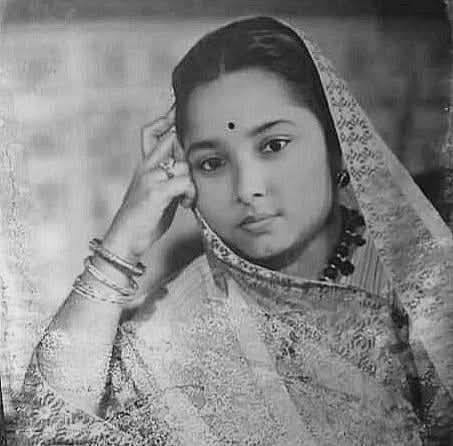
Maharani Kam Sundari Devi, the last Maharani of Darbhanga and widow of Maharajadhiraj Kameshwar Singh, passed away at her residence in Darbhanga at the age of 96.
Darbhanga | January 12, 2026: Maharani Kam Sundari Devi, the widow of Kameshwar Singh, passed away on Monday at her residence, Kalyani Niwas, located inside the historic Darbhanga Raj complex. She was around 96 years old.
According to family sources, the Maharani had been unwell for a long time. In September last year, she suffered a fall and was hospitalised for treatment. Though she later returned home, her health never fully recovered.
With her passing, an important chapter of Mithila’s royal history quietly comes to an end.

A life lived with dignity and restraint
Maharani Kam Sundari Devi belonged to a generation that witnessed the transformation of India from princely states to a democratic republic. After the death of Maharajadhiraj Kameshwar Singh in 1962 and the abolition of royal privileges, she chose a life away from public glare.
Unlike many royal figures of her time, she rarely appeared in public functions or political gatherings. Yet, she remained deeply involved in matters related to the Darbhanga Raj trusts and estates, ensuring that her late husband’s vision of public service continued through institutions rather than titles.

Carrying forward a legacy through charity
In 1989, she established the Maharajadhiraj Kameshwar Singh Kalyani Foundation, a public charitable trust set up in memory of the Maharaja. The foundation has supported work in education, healthcare, culture, and social welfare, especially in the Mithila region.
Those familiar with the family say the Maharani believed that the true legacy of the Darbhanga Raj lay not in palaces or power, but in service to society.
End of an era for Darbhanga Raj
The Darbhanga Raj was once among the most influential estates in eastern India, shaping the cultural and economic life of Mithila for decades. Maharani Kam Sundari Devi was one of the last living links to that period.
Her death marks the close of an era that bridged royal India and modern, independent India — a time remembered today through institutions, archives, and public memory rather than crowns and ceremonies.
Discover more from Mithila Delights
Subscribe to get the latest posts sent to your email.