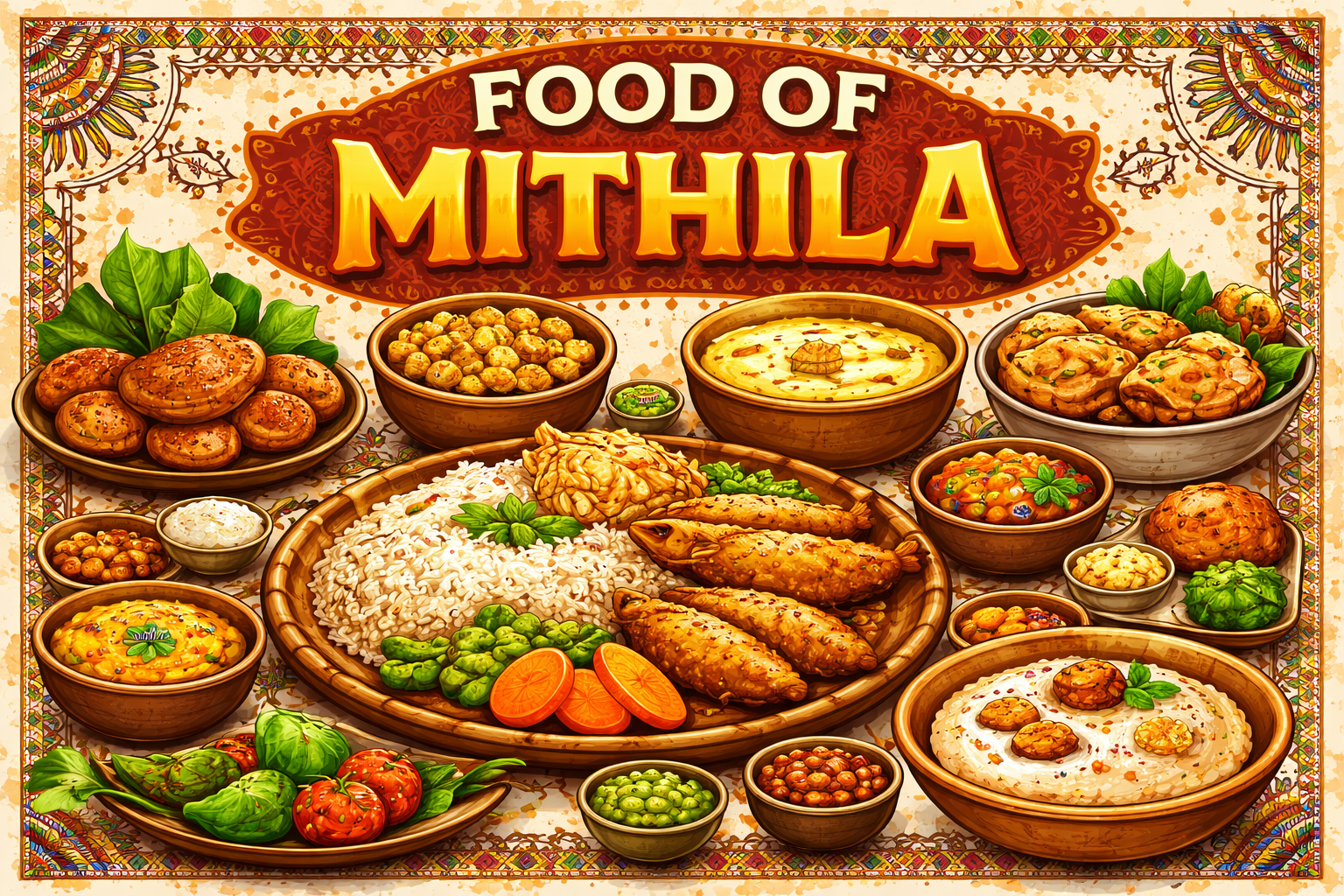
Food of Mithila: A Cultural Journey Through Tradition, Taste, and Livelihood
Food of Mithila: Tradition on the Plate, Culture in Every Grain
Food in Mithila is not merely about taste. It is memory, ritual, livelihood, and identity served together. In the Indian Mithila region of Bihar, food carries the imprint of geography, seasons, social customs, and centuries-old cultural practice. From everyday meals cooked on earthen stoves to ceremonial dishes prepared for weddings and festivals, Mithila food reflects a way of life that is both frugal and refined.
As Mithila Delights documents the cultural landscape of the region, its food traditions stand out as a living archive. They reveal how a community eats, celebrates, survives, and sustains itself.
Geography, Agriculture, and the Mithila Food Culture
The food of Mithila is shaped by its fertile alluvial plains, seasonal rivers, and agrarian economy. Rice is the staple grain, supported by wheat, pulses, seasonal vegetables, and freshwater fish. Mustard oil dominates cooking, lending a sharp aroma that defines Mithila cuisine.
Agriculture is not separate from food culture here. It is its backbone. Crops like paddy, makhana, lentils, and oilseeds decide daily meals as well as festive menus. Kitchen gardens supply gourds, leafy greens, and roots, while ponds provide fish that appear frequently in traditional Mithila food.
This close link between land and plate gives Mithila cuisine its grounded, seasonal character.
Everyday Meals in Mithila Homes

A typical Mithila meal is simple, balanced, and nourishing. Steamed rice is served with dal, seasonal vegetables, and a small portion of fish or curd. Chokha, made by roasting vegetables like brinjal or potato and mixing them with mustard oil, onion, and salt, is common across households.
Green leafy vegetables are widely consumed, often lightly cooked to preserve nutrition. Fermented foods and sun-dried vegetables help families manage scarcity during lean seasons. These practices show how Mithila food evolved through practical wisdom rather than excess.
Such everyday meals may appear modest, but they reflect deep knowledge of nutrition, climate, and resource management.
Makhana and Indigenous Ingredients
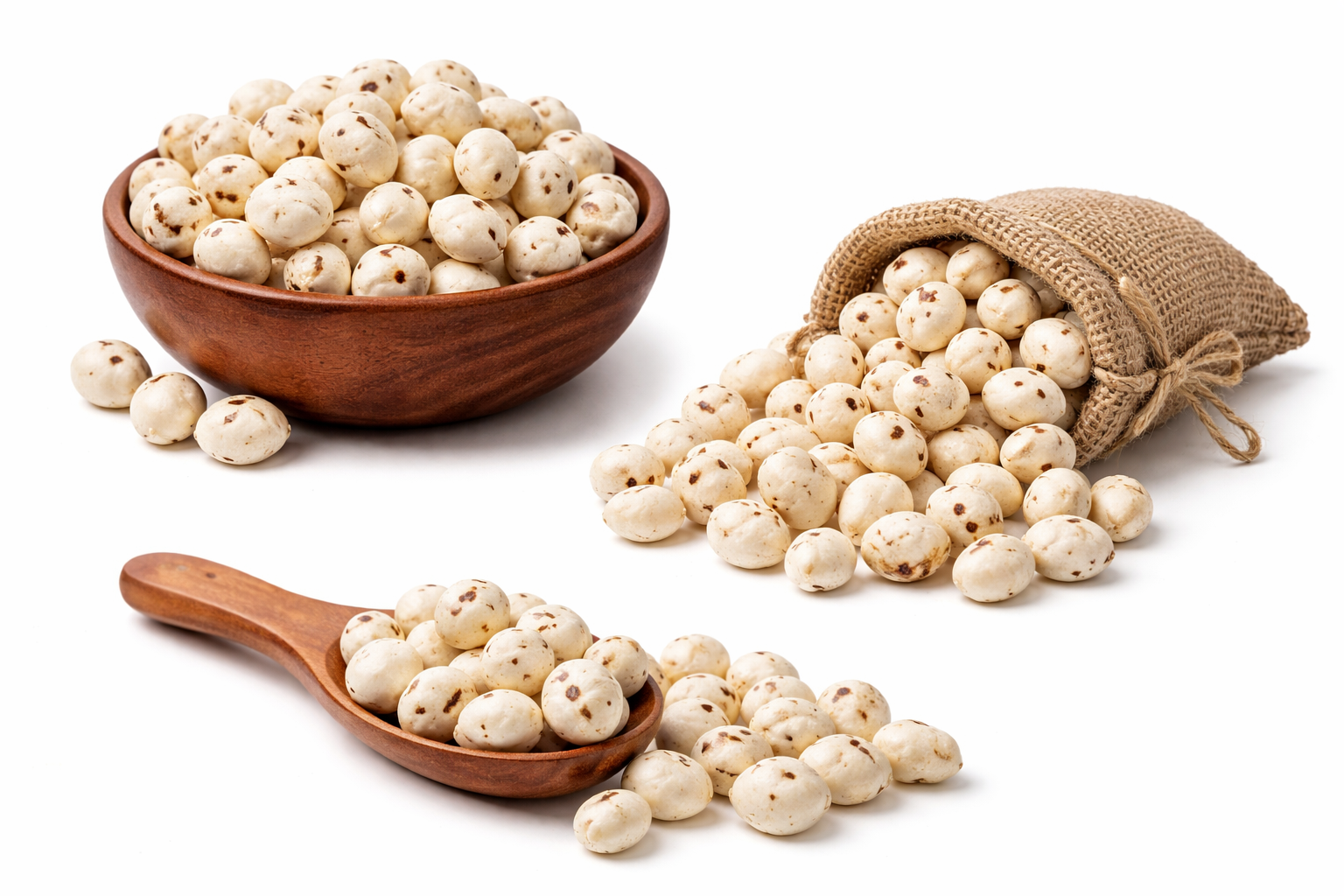
No discussion of Mithila food is complete without makhana. Grown in ponds across north Bihar, makhana is both a traditional ingredient and an economic lifeline for thousands of farming families. Used in curries, kheer, and fasting dishes, it occupies a special place in Mithila cuisine.
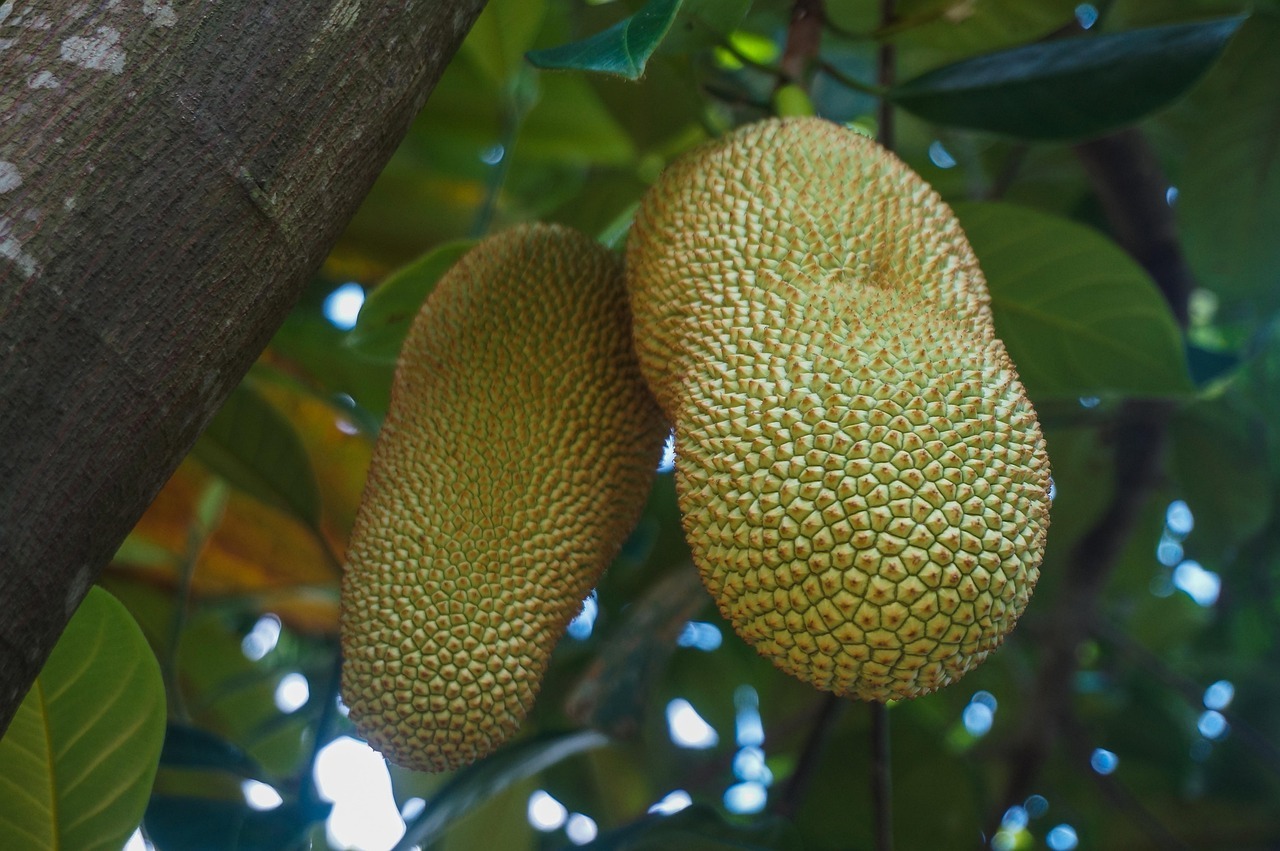
Other indigenous ingredients include raw mango, jackfruit, bamboo shoots, and locally grown spices. These ingredients appear across seasons, prepared in different ways depending on availability and occasion.
Mithila Delights regularly highlights how such local produce connects food with rural livelihoods and regional economy.
Festival Foods and Ritual Cooking

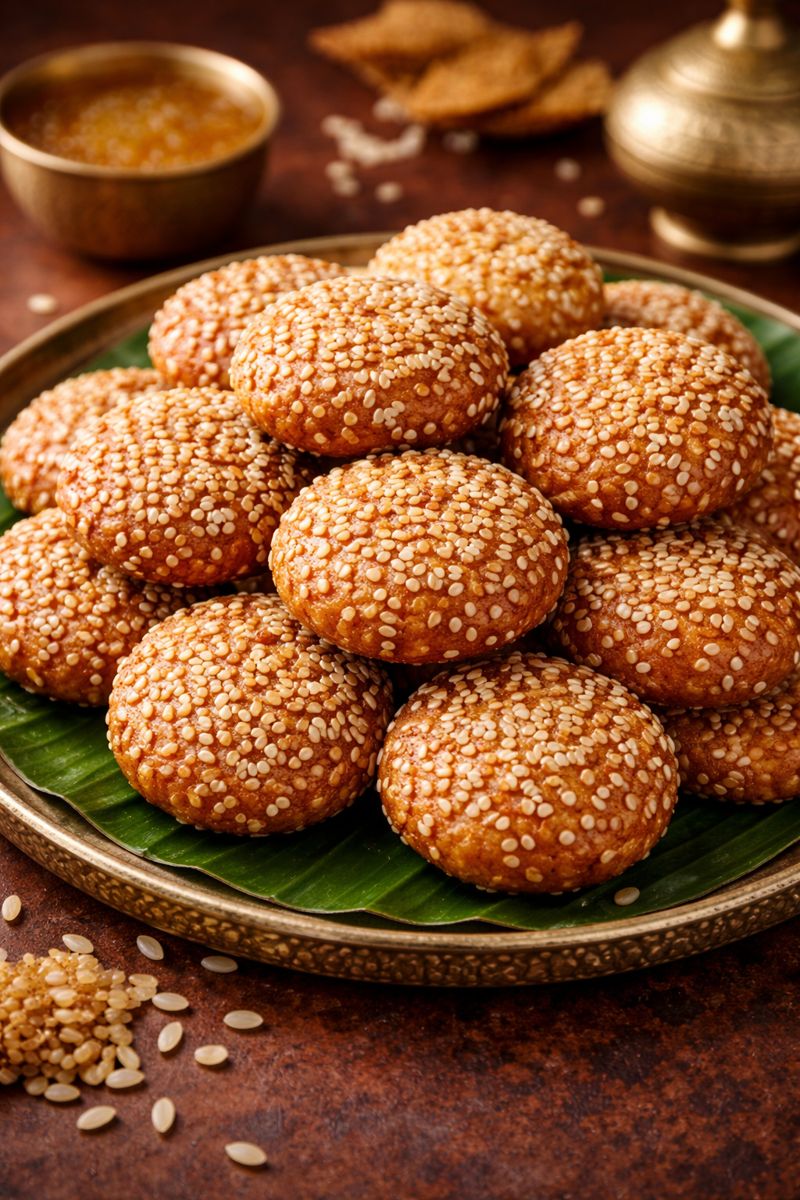
Food takes on heightened significance during festivals in Mithila. Chhath Puja, one of the most important observances in the region, has a strict food ritual. Dishes like thekua, kheer, and fruits are prepared with precision and devotion, often using traditional stoves and natural ingredients.
Wedding feasts in Mithila follow a structured sequence. Each dish is served in a specific order, reflecting social norms and hospitality ethics. Sweets made from milk, rice flour, and jaggery dominate ceremonial menus.
These food practices are not decorative. They reinforce social bonds and cultural continuity.
Women, Kitchens, and Cultural Transmission

In Mithila, food knowledge is traditionally passed through women. Recipes are rarely written. They are remembered, practiced, and refined over generations. Measurements rely on experience rather than tools. Timing depends on instinct.
The kitchen functions as a cultural classroom. Here, younger generations learn not just how to cook, but why certain foods are eaten on certain days, and how food aligns with rituals and seasons.
As lifestyles change, this oral tradition faces pressure. Platforms like Mithila Delights play an important role in documenting and preserving such intangible heritage.
Changing Tastes and Modern Influences
Urbanisation and migration have introduced new ingredients and cooking styles to Mithila. Packaged foods, refined oils, and restaurant culture are now part of daily life, especially in towns. Yet traditional Mithila food continues to hold emotional value.
Many families consciously preserve food customs during festivals and family gatherings. There is also renewed interest in indigenous foods for their health benefits and sustainability.
This coexistence of tradition and modernity defines contemporary Mithila cuisine.
Food as Economy and Identity
Food in Mithila is not just consumed. It is produced, traded, and marketed. Products like makhana, rice, pickles, and traditional snacks now reach national and international markets.
For migrant communities, Mithila food serves as a cultural anchor. A familiar dish reconnects them to home, language, and memory. Food becomes identity made edible.
Mithila Delights treats food not as lifestyle content, but as a serious subject that intersects with culture, economy, and social history.
Preserving Mithila Food Heritage
As food habits change, documentation becomes essential. Traditional recipes, cooking techniques, and food stories risk being lost if they are not recorded thoughtfully.
By presenting Mithila food in a factual, contextual manner, Mithila Delights contributes to preserving this heritage for future generations. It invites readers to look beyond recipes and understand the culture behind the cuisine.
Food in Mithila is quiet, rooted, and resilient. It does not seek attention, but it deserves it.
#FollowUs

MITHILA FOODS 400g Authentic Bihari Jumbo Hand-picked Phool Makhana | 100% Natural & Gluten-Free Foxnuts | High Protein, Low-Calorie Lotus Seeds | Perfect Healthy Snack | Traditional Taste from Bihar
Discover more from Mithila Delights
Subscribe to get the latest posts sent to your email.
One thought on “Food of Mithila: Traditional Mithila Cuisine & Food Culture”