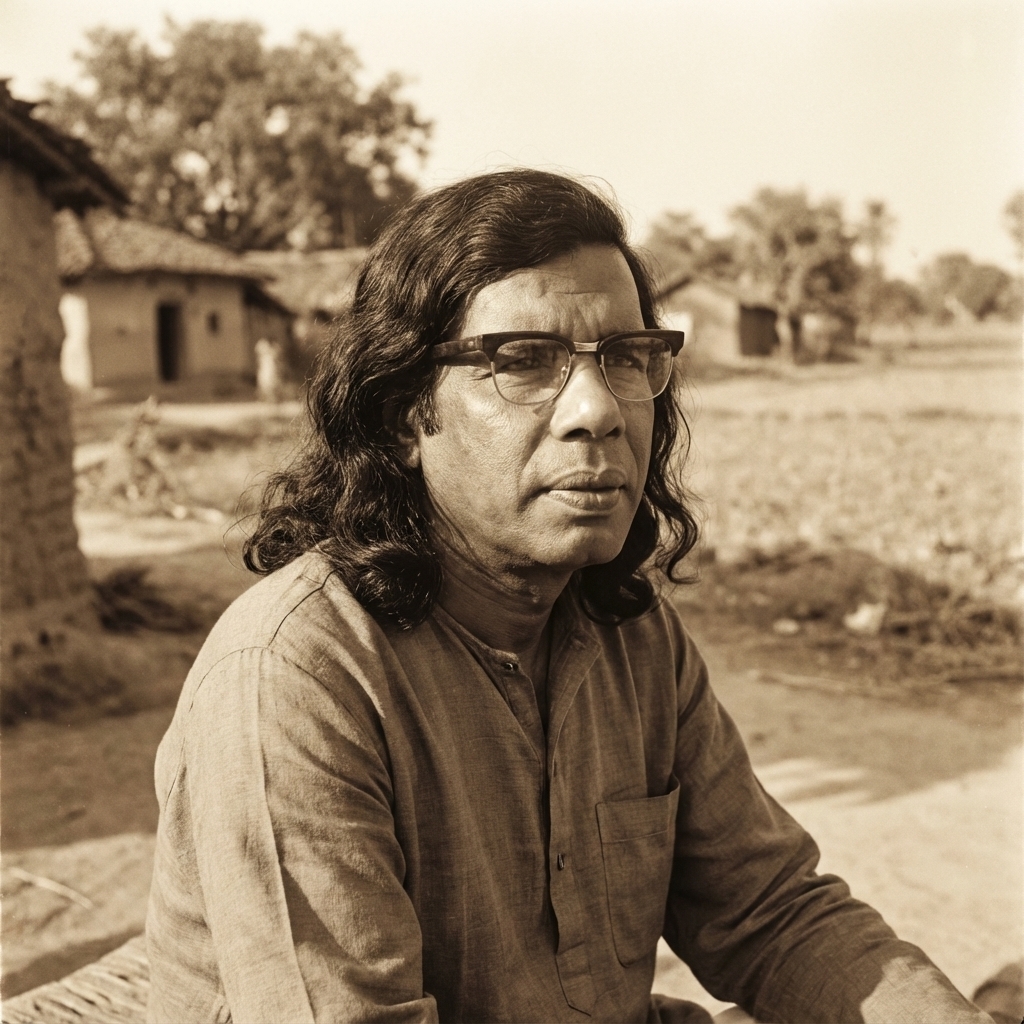
Jhubba Sahni: The Forgotten Revolutionary from Bihar Who Paid with His Life
In the long and complex story of India’s freedom struggle, many local revolutionaries remain absent from mainstream narratives. Their contributions were often confined to villages, small towns, and rural resistance networks. Yet, without them, the national movement would not have taken the shape it did. One such figure is Jhubba Sahni, a freedom fighter from Bihar whose life and death reflect the intensity of grassroots resistance during British rule.
This article documents the life, struggle, and sacrifice of Jhubba Sahni, situating him within the broader context of Bihar’s participation in India’s independence movement. It also highlights why his legacy continues to matter for understanding regional histories of resistance, particularly in north Bihar and the Mithila belt.
Early Life and Social Background
Jhubba Sahni was born in the early decades of the twentieth century in what is today Muzaffarpur district of Bihar. He came from a modest rural background, shaped by agrarian life, caste hierarchies, and economic hardship. Like many young men of his generation, Sahni grew up witnessing the everyday injustices of colonial rule—high land revenue, forced labour, police excesses, and the absence of political voice for ordinary people.
Education opportunities in rural Bihar were limited at the time, but political awareness travelled fast. Nationalist ideas spread through local meetings, pamphlets, travelling activists, and discussions in village gatherings. The influence of leaders such as Mahatma Gandhi, along with local Congress workers and underground organisers, gradually reached Sahni’s region.
By the late 1930s, Jhubba Sahni had become actively involved in nationalist activities. His political consciousness was shaped less by formal ideology and more by lived experience—poverty, humiliation, and the visible gap between colonial authority and popular suffering.
Entry into the Freedom Movement
The turning point in Jhubba Sahni’s political life came with the intensification of the freedom struggle during the Second World War. Bihar emerged as a major centre of resistance, especially during the Quit India Movement of 1942. Rural districts like Muzaffarpur, Darbhanga, and Champaran saw widespread mobilisation, sabotage of colonial infrastructure, and open defiance of British authority.
Sahni aligned himself with local resistance groups that operated beyond formal party structures. These groups focused on disrupting communication lines, attacking symbols of colonial power, and mobilising villagers against British administration. His work was rooted in the countryside, where colonial control was enforced through police stations, revenue offices, and loyal intermediaries.
Unlike prominent leaders who addressed large gatherings, Sahni’s role was operational and risky. He helped organise protests, sheltered underground activists, and participated in direct actions that drew swift retaliation from colonial authorities.
The Quit India Movement and Armed Resistance
The Quit India Movement marked a decisive phase in Sahni’s life. As the British government cracked down on Congress leadership, grassroots activists took charge. In many parts of Bihar, including Muzaffarpur, protests turned militant.
Jhubba Sahni was among those who believed that symbolic protest alone was no longer sufficient. According to local accounts and historical records, he took part in attacks on British installations and police personnel. These actions were aimed at paralysing colonial administration and sending a clear message that British authority was no longer accepted.
One of the most cited episodes associated with Sahni is the killing of a British official during a confrontation. This act made him a marked man. The colonial administration responded with force, deploying police units to hunt down those involved in revolutionary activities.
Arrest, Torture, and Execution
Following the incident, Jhubba Sahni was arrested by British authorities. His detention was marked by severe interrogation and physical torture, a common practice used to extract information and intimidate local populations.
Despite pressure, Sahni reportedly refused to betray his associates. Colonial records and oral histories suggest that he remained defiant during interrogation, asserting his commitment to India’s freedom.
In 1944, Jhubba Sahni was executed by the British government. His death was intended as a warning to others involved in the resistance. However, instead of silencing dissent, it strengthened the resolve of many in the region.
His execution occurred just three years before India achieved independence, making his sacrifice one of the last in the long struggle against colonial rule.
Public Memory and Local Recognition
While Jhubba Sahni did not find a place in national textbooks, his memory endured locally. In Muzaffarpur, his name became synonymous with courage and resistance. After independence, efforts were made to commemorate his sacrifice.
A statue of Jhubba Sahni was later installed in Muzaffarpur, turning him into a visible symbol of local participation in the freedom movement. Roads, public discussions, and regional writings have continued to reference his role, particularly in the context of the Quit India Movement in Bihar.
However, recognition has largely remained regional. Outside Bihar, his story is still unfamiliar to many, reflecting a broader pattern in how India remembers its freedom fighters.
Why Jhubba Sahni Matters Today
Jhubba Sahni’s life offers important insights into the nature of India’s independence struggle. It was not only led by famous leaders or urban intellectuals but also by rural activists who took enormous risks without expecting recognition.
His story challenges the idea that the freedom movement was uniform or centrally directed. Instead, it was shaped by local conditions, spontaneous resistance, and individuals who acted out of conviction rather than instruction.
For platforms like Mithila Delights, documenting such lives is part of preserving regional history. Sahni’s legacy connects present generations to a past rooted in sacrifice, agency, and grassroots action.
Final Thought
Jhubba Sahni stands as a powerful reminder of Bihar’s contribution to India’s freedom. His journey—from a rural background to active resistance, imprisonment, and execution—reflects the depth of commitment shown by countless unnamed revolutionaries.
As India continues to revisit and reassess its freedom struggle, figures like Jhubba Sahni deserve careful documentation. Their stories complete the historical record and ensure that independence is remembered not only as a political achievement but also as a collective sacrifice.
#Freedom Fighters From Muzaffarpur
#FollowUs
Discover more from Mithila Delights
Subscribe to get the latest posts sent to your email.