Makhana: From Silent Ponds to Global Plates
How India’s ancient water seed became the world’s newest health obsession
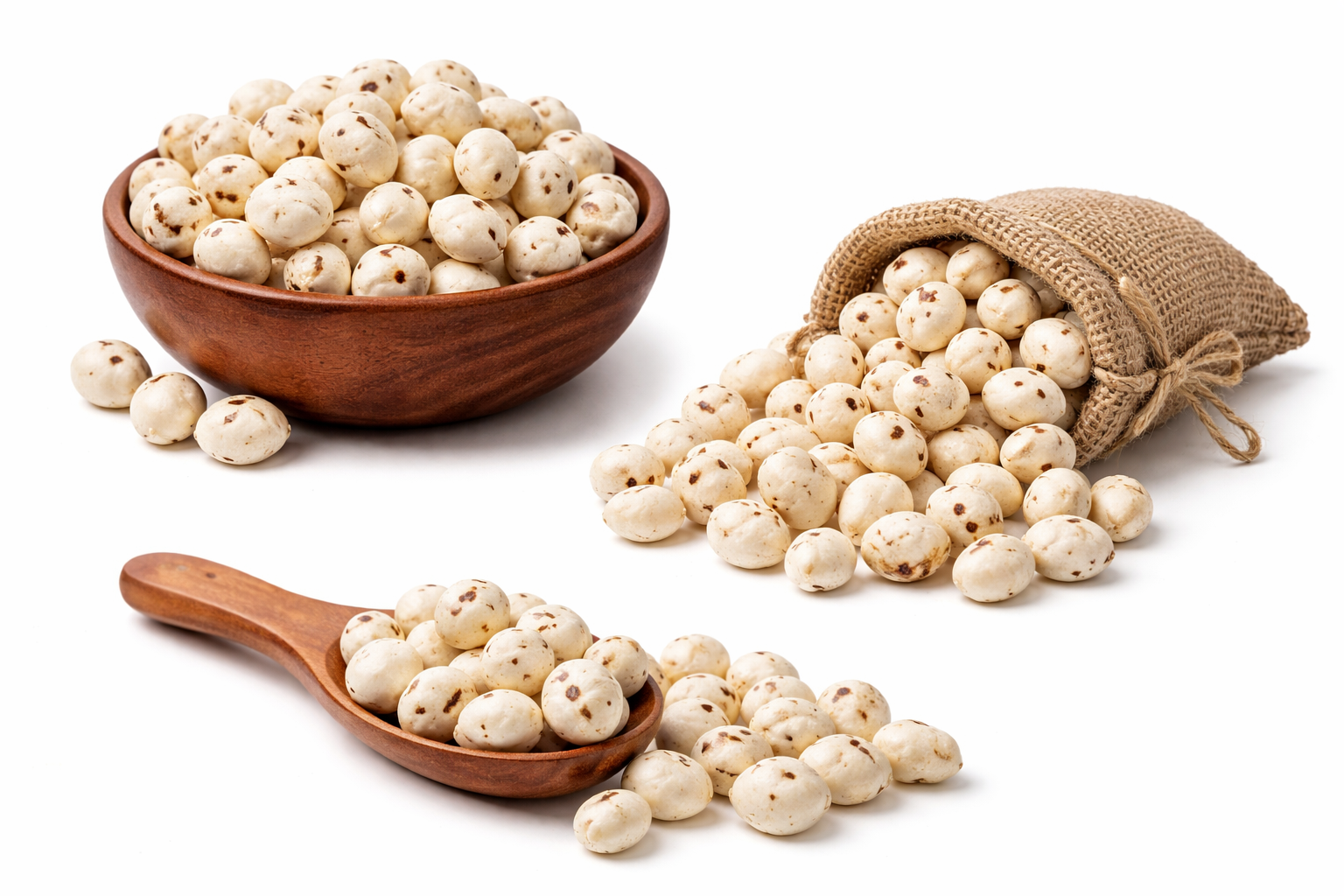
By the time the sun rises over the shallow ponds of north Bihar, men and women are already waist-deep in water, diving with practised ease. What they harvest looks unremarkable—small, dark seeds sinking into muddy depths. Yet, once dried and roasted, these seeds transform into makhana, a light, crunchy superfood now stocked in gourmet stores from New York to Dubai.
Long before global wellness trends discovered it, makhana had quietly nourished India for centuries.

An Ancient Food with Modern Appeal
Makhana, commonly called fox nuts, comes from the aquatic plant Euryale ferox. It grows in still water—ponds, wetlands, and oxbow lakes—where few other crops can survive. For generations, communities in eastern India have mastered the art of cultivating, harvesting, and popping these seeds.
Today, makhana fits perfectly into modern diets: gluten-free, low-fat, high-protein, and easy to digest. Nutritionists praise it; chefs experiment with it; fitness enthusiasts snack on it guilt-free.
The Heartland of Makhana
India produces more than 90 per cent of the world’s makhana, and its undisputed heart lies in Mithila. Districts such as Darbhanga, Madhubani, Saharsa, and Supaul form a unique agro-cultural belt where makhana is not just a crop, but a way of life.
Farming here is still largely traditional. Seeds are hand-sown. Harvesting requires divers to retrieve them from pond beds. Popping makhana demands precise heat control—a skill learned through years of experience. Mechanisation has arrived only partially, leaving human skill at the centre of production.
Food, Faith, and Fasting
Makhana holds a special place in Indian kitchens, particularly during religious fasting. Light on the stomach yet rich in energy, it is considered sattvic—pure and balanced. From Navratri to Ramadan kitchens, roasted makhana appears as a trusted, nourishing staple.
Traditional recipes include creamy makhana kheer, rich gravies made with ghee and spices, and simple roasted snacks flavoured with cumin or black pepper.
Why Nutrition Experts Love Makhana
Behind makhana’s mild taste lies serious nutrition. It contains:
- High-quality plant protein
- Almost zero cholesterol
- Low sodium and fat
- Minerals like magnesium, potassium, phosphorus, and iron
- Antioxidants that support healthy ageing
Its low glycaemic index makes it suitable for people managing diabetes, while its high satiety value supports weight control. For the elderly, pregnant women, and those recovering from illness, makhana is often recommended as a gentle but nourishing food.
Rural Livelihoods at Stake
For lakhs of families in Bihar, makhana is economic survival. Entire seasonal economies—from seed collectors to processors and traders—depend on it. Recognising its cultural and economic value, Mithila Makhana has received a Geographical Indication (GI) tag, protecting its identity and origin.
Yet challenges persist: hazardous manual labour, fluctuating prices, limited storage, and weak branding at the farmer level. Experts argue that better processing infrastructure, cooperatives, and export-oriented policies could dramatically improve incomes.
A Global Superfood in the Making
As the world shifts toward plant-based and clean-label foods, makhana’s moment has arrived. Marketed internationally as fox nuts, it now appears in flavoured snack packs, breakfast mixes, and even protein blends.
What once stayed confined to rural ponds is now part of the global wellness conversation—proof that traditional knowledge often holds the answers modern diets seek.
The Quiet Power of a Humble Seed
Makhana’s story is not loud or flashy. It is patient, like the ponds it grows in. Rooted in tradition, sustained by labour, and now carried by global demand, makhana represents a rare convergence of heritage, health, and hope.
From the wetlands of Mithila to supermarket shelves worldwide, this ancient seed is finally being seen for what it truly is—a small grain with a big future.
#Makhana #FoxNuts #IndianSuperfood #Mithila #BiharAgriculture #HealthySnacking #TraditionalFoods #GIProducts

Mithila is known for its high-quality makhana, loved for its light crunch, purity, and health benefits.
If you want to try it at home, explore a range of premium fox nuts, roasted makhana, and flavoured makhana snacks online.
Discover more from Mithila Delights
Subscribe to get the latest posts sent to your email.