Special Feature
Tilkut: Bihar’s Winter Sweet with a Story in Every Crunch
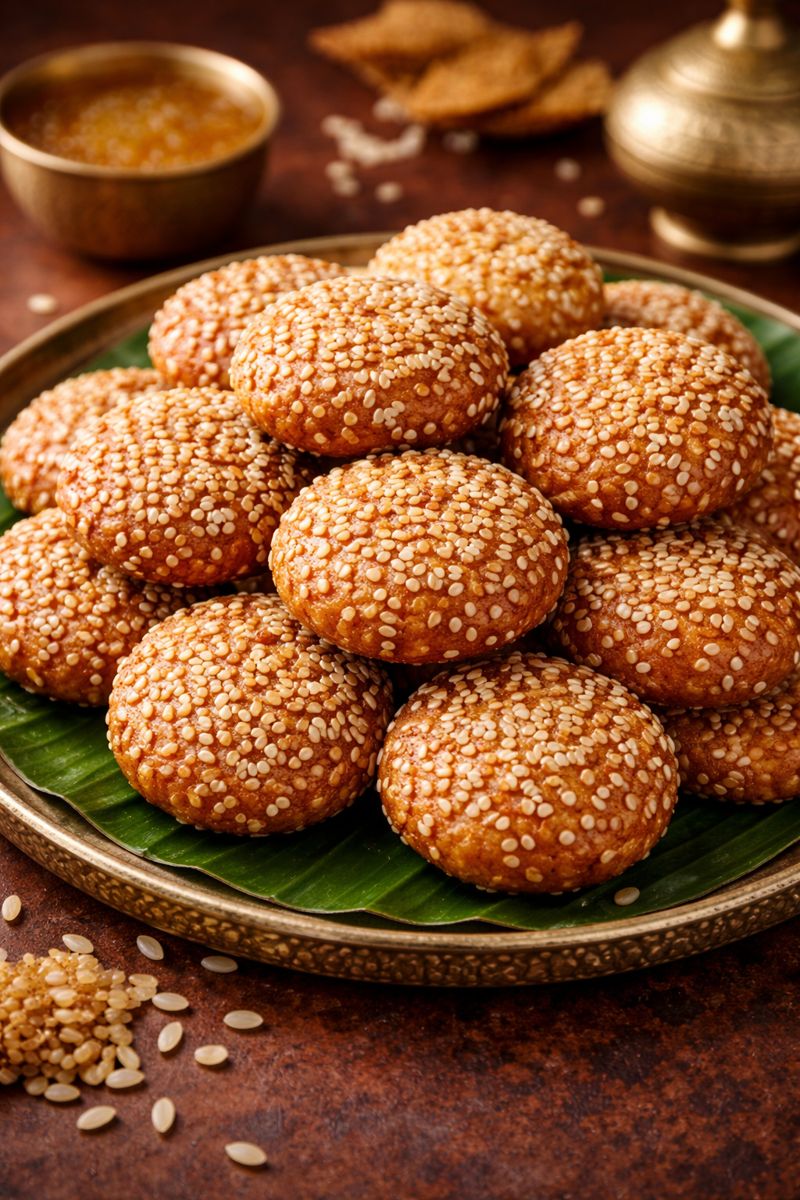
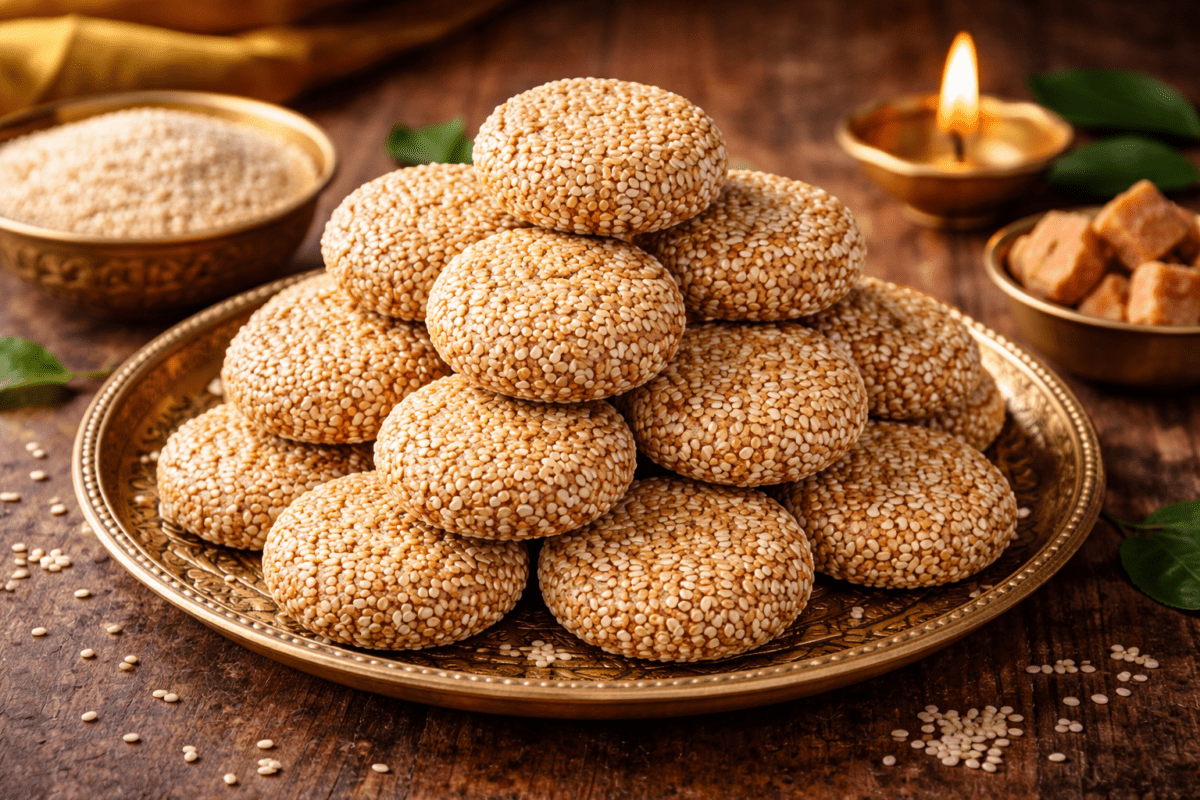
If you have ever spent a winter in Bihar—or met someone from Gaya, Magadh, Mithila, or Jharkhand—you have probably heard the name Tilkut. It is a traditional seasonal sweet made chiefly from til (sesame seeds) and gur (jaggery) or sugar, prepared and enjoyed most famously around Makar Sankranti.

It looks simple, but it carries a rich heritage: local craft techniques, festival memories, and an unmistakable “home” feeling for many families.
Tilkut is winter itself
As winter settles over Bihar and the sun turns softer in January, the state’s sweet shops begin to tell a familiar story—one that is not written in ink, but pressed into crisp, golden sheets of sesame and jaggery. The story is called Tilkut.
For many families in Bihar, especially in the Magadh belt and in the lanes of Gaya, Tilkut is not merely a seasonal sweet. It is a tradition—carried home in paper packets, gifted to relatives, and served with quiet pride to guests who arrive during Makar Sankranti.
“It is winter itself,” says a local resident in Gaya, pointing to a row of freshly made pieces stacked behind a glass counter. “If you eat it once, you remember the taste for years.”
A name that explains the craft
The word Tilkut is widely understood as a combination of two simple ideas:
- Til (sesame)
- Kut (to pound or crush)
The name reflects the old-style method of preparation, where roasted sesame seeds are crushed and mixed with sweet syrup before being pressed into shape. It is a sweet whose identity is tied to its making—handwork, heat, timing, and skill.
The heartland of Tilkut: Why Gaya is famous
While it is found across Bihar and neighbouring regions, Gaya enjoys a special reputation for it. In the city’s winter markets, Tilkut becomes a seasonal headline—sold in bulk, packed for travel, and shipped to families living outside the state who long for a taste of home.
Sweet shop owners in Gaya often describe it as their winter lifeline. The demand peaks during the weeks around Makar Sankranti, when customers arrive not just for themselves, but to carry boxes of Tilkut to relatives in Patna, Kolkata, Delhi, Mumbai, and even abroad.
The pride is so strong that there have been repeated calls for official recognition and branding of “Gaya Tilkut,” including efforts linked to a GI (Geographical Indication) tag, to protect the product’s regional identity.
More than a sweet: Tilkut and the season of Sankranti
Across India, Makar Sankranti is celebrated with harvest foods and seasonal specialities. In Bihar, sesame-based sweets take centre stage—and Tilkut holds a prominent place.
In many homes, the arrival of it signals that the festival season is in full swing. It is shared alongside other winter favourites, offered to guests, and exchanged as a gesture of goodwill.
The logic is both cultural and practical: sesame and jaggery are considered winter-friendly foods, offering warmth and energy during cold days. Over time, this seasonal preference grew into a tradition—one that continues with full force even today.
What exactly is Tilkut made of?
It is built on a short, powerful ingredient list:
- Roasted sesame seeds (til)
- Jaggery (gur) or sugar
- Sometimes ghee for richness
- In premium versions: almonds, cashews, pistachios
The beauty of this sweet lies in its simplicity. It does not need heavy flavouring to impress. Its aroma comes from roasted sesame, and its sweetness is sharp and satisfying.
The making of Tilkut: Heat, timing, and tradition
The process looks straightforward—but every maker knows it is a craft.
First, sesame seeds are roasted until they release their nutty fragrance. Meanwhile, jaggery or sugar syrup is prepared and brought to the right stage. Then comes the critical moment: mixing, pressing, and shaping the sweet before it cools and hardens.
In many traditional setups, it is flattened and set into sheets, then cut into pieces. The crisp sound when it breaks is part of its charm—almost like a signature.
A few seconds too long on the flame can change everything. Too little heat, and the mixture won’t bind properly. Too much, and the sweet can turn bitter. That is why old sweet-makers are often treated like specialists—because their hands know the perfect timing.
Tilkut variations: One name, many tastes
Ask five people about Tilkut and you may hear five different preferences. The common varieties include:
1) Gur Tilkut (Jaggery-based)
The darker, deeper version with a bold, earthy sweetness. Many call this the “real” Tilkut.
2) Sugar Tilkut
Lighter in colour, cleaner in taste, and often slightly more brittle.
3) Soft vs Crunchy Tilkut
Some shops prepare Tilkut that is hard and crisp like brittle, while others keep it slightly softer, depending on syrup stage and pressing technique.
4) Dry fruit Tilkut
Premium packs include nuts, giving it a festive touch and a richer bite.
Health benefits: Is Tilkut good for you?
Health experts often remind people that sweets should be eaten in moderation. Still, it stands apart from many heavily processed desserts because its main ingredient—sesame—is naturally nutrient-rich.
Sesame seeds are known to provide:
- Healthy fats
- Plant protein
- Minerals like calcium and magnesium
- Fibre
Jaggery, while still a form of sugar, is widely preferred in traditional diets for its taste and seasonal suitability.
However, nutritionists would also point out a simple truth: Tilkut is calorie-dense. Those managing diabetes or sugar intake should consume it carefully and seek personalised medical advice.
A sweet that travels with migrants and memories
Perhaps the strongest proof of Tilkut’s cultural value is the way it travels.
Every winter, families living outside Bihar wait for the parcel from home—often containing Tilkut packed tightly in boxes, sometimes wrapped in layers to protect it from breaking. It arrives like a small piece of the season itself.
For many migrants, it is not just a snack. It is a reminder of childhood winters, of grandparents, of festivals that were once celebrated in courtyards and village lanes.
The future of Tilkut: Tradition meets modern markets
With changing times, it is also changing in presentation. Many sweet shops now offer:
- Cleaner packaging
- Branded boxes
- Courier-friendly packs
- Online ordering options
Yet the soul of Tilkut remains unchanged. It still depends on roasting, syrup-making, and skilled pressing—methods passed down through generations.
In a world moving fast, it stands as a quiet reminder: some traditions do not need reinvention. They only need respect.
Final Thought: A crunch that carries Bihar’s winter identity
It may be made of sesame and jaggery, but its true ingredients are memory and culture.
It is a sweet that appears with the season, peaks with the festival, and disappears slowly as winter fades—leaving behind a lingering taste and a familiar craving that returns the next January.
In Bihar, Tilkut is not just eaten.
It is awaited.
#FollowUs

Known for its rich sesame crunch and jaggery sweetness, Tilkut is more than a sweet—it’s a seasonal tradition. Explore a selection of authentic tilkut and festive sweets online and enjoy the taste of Mithila at home.
If you want to try the real festive flavour at home, explore a range of traditional tilkut varieties online.
Discover more from Mithila Delights
Subscribe to get the latest posts sent to your email.