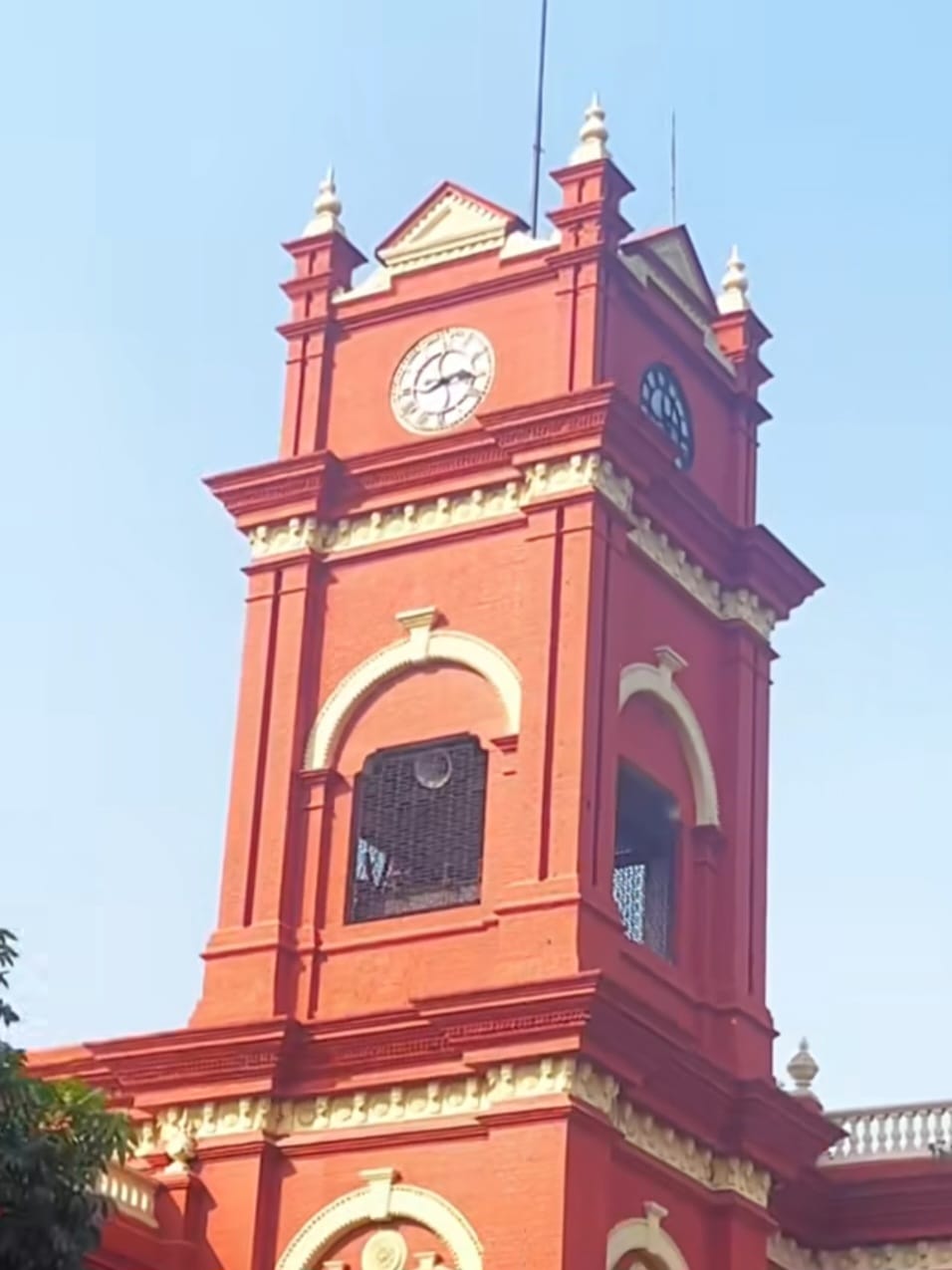
Places of Tourist Interest in Darbhanga: Palaces, Pilgrimage, and Nature
Introduction
Darbhanga, often described as the cultural and intellectual capital of Mithilanchal, is a city where royal heritage, sacred geography, and natural ecosystems coexist in rare harmony. Once the seat of the powerful Darbhanga Raj, the city evolved as a centre of governance, learning, and patronage of Maithili and Sanskrit traditions. Tourist places in Darbhanga are less exlored, destinations in India.
Darbhanga’s tourist landscape is shaped largely by three elements:
- The palaces and estates of the Darbhanga Maharajas
- Ancient religious and mythological sites
- Wetlands and bird sanctuaries of international importance

Palaces of the Darbhanga Raj
The Darbhanga Raj was among the largest and most influential zamindari estates in British India. The Maharajas built several palaces across Darbhanga administrative, cultural, and ceremonial centres. These palaces today form the architectural backbone of the city.
Nargauna Palace
Nargauna Palace is the most prominent and historically significant palace of the Darbhanga Raj. Built as the principal royal residence, it reflects a blend of Indo-European architectural styles, with spacious courtyards, grand halls, and landscaped surroundings.
Today, the palace forms part of the campus of Lalit Narayan Mithila University, symbolising a graceful transition from royal authority to public education. Its massive structure and calm ambience continue to evoke the splendour of Mithila’s royal past.
Rambagh Palace
Located close to Nargauna Palace, Rambagh Palace served as a leisure and ceremonial residence for the Maharajas. Known for its elegant layout and garden setting, Rambagh was often used for hosting dignitaries, scholars, and cultural gatherings.
The palace area reflects the Darbhanga rulers’ refined taste and their emphasis on aesthetics, openness, and intellectual exchange.
Bela Palace
Bela Palace lies slightly away from the main palace cluster and was traditionally used as a retreat. Surrounded by greenery and water bodies, it offered solitude and calm, in contrast to the administrative intensity of Nargauna.
The palace stands as a reminder that royal life in Darbhanga balanced governance with contemplation and cultural patronage.

Anandbagh Palace and Raj Estate Complex
Anandbagh Palace, along with nearby buildings, formed part of the extended Raj Estate. The entire Raj area was carefully planned, with:
- Palaces
- Temples
- Offices
- Gardens
- Ponds
This integrated urban design makes Darbhanga unique among Indian princely capitals. Even today, walking through the Raj area offers visitors a living sense of royal-era town planning.

Museums Reflecting Royal Legacy
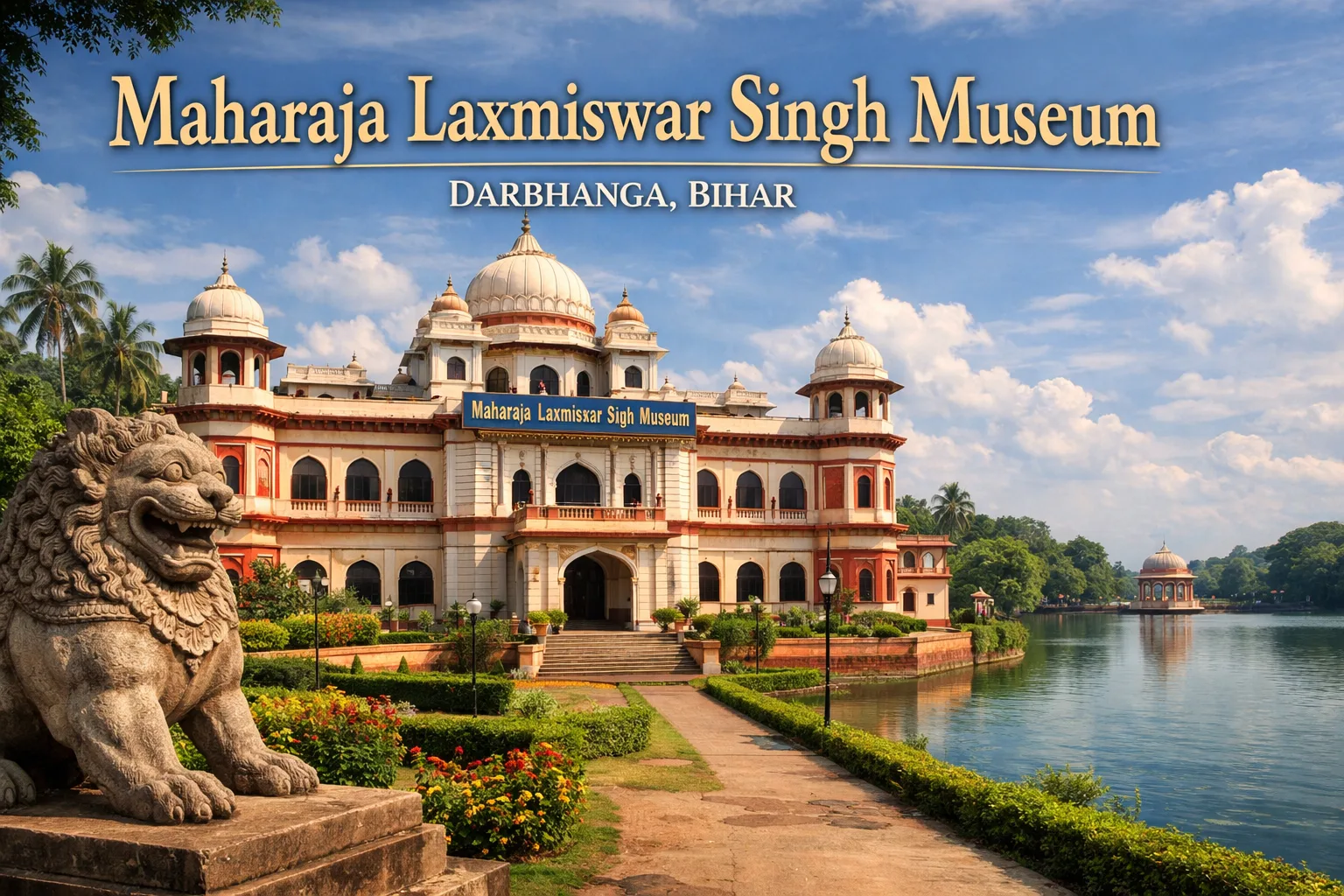
Maharaja Laxmishwar Singh Museum
Situated on the banks of Mansarovar Lake, this museum preserves the material culture of the Darbhanga Raj. Exhibits include:
- Royal thrones
- Arms and armour
- Ivory and metal artefacts
- Stone sculptures
The museum provides essential context for understanding the palaces and the political stature of the Maharajas.

Chandradhari Museum
Founded in 1957, the Chandradhari Museum houses one of the finest regional collections in Bihar. Its galleries feature miniature paintings, Mithila textiles, stone sculptures from the 8th–9th centuries, ivory work, natural history specimens, and rare coins. A dedicated library preserves manuscripts and scholarly works.
Kusheshwarasthan: Temple and Bird Sanctuary
Kusheshwarasthan Temple
Located about 45 km east of Darbhanga town, Kusheshwarasthan is one of the most revered Shaivite centres of Mithila. The ancient temple of Lord Shiva is believed to date back to epic times and draws devotees throughout the year, especially during Shravan and Mahashivaratri.
Kusheshwarasthan Bird Sanctuary
Equally significant is the Kusheshwarasthan Bird Sanctuary, one of the largest freshwater wetland systems in Bihar. Declared a protected area under the Wildlife Protection Act, 1972, the sanctuary covers approximately 8,100 hectares during peak flooding.
Every winter, thousands of migratory birds arrive here from:
- Siberia
- Mongolia
- Central Asia
- Tibet
- China
Notable species include:
- Dalmatian Pelican
- Bar-headed Goose
- Siberian Crane
- White-winged Wood Duck
- Indian Skimmer
The sanctuary is a paradise for birdwatchers, wildlife photographers, and ecological researchers. It also highlights the delicate balance between human habitation, agriculture, and wetland conservation in North Bihar.
Religious and Cultural Attractions (Brief Overview)
Alongside palaces and wetlands, Darbhanga is dotted with sacred sites such as:
- Ahilya Asthan (associated with the Ramayana)
- Shyama Temple (royal Kali temple)
- Manokamna Temple
- Malechchhed Mardani Temple
- Holy Rosary Church
- Historic mosques and mazars symbolising communal harmony
These sites add spiritual depth to the city’s tourism profile.

Darbhanga Planetarium
The Darbhanga Planetarium, popularly known as Darbhanga Taramandal is an important centre for scientific learning and public education in North Bihar. It was established to promote interest in astronomy and space science among students and the general public. The planetarium regularly conducts sky shows, educational programmes, and science outreach activities, making complex astronomical concepts easy to understand. It serves as a valuable educational attraction, especially for schoolchildren, science enthusiasts, and visitors seeking a modern intellectual dimension to Darbhanga’s rich cultural and historical landscape.

How to Reach Darbhanga
Darbhanga is well connected by air, rail, and road, making it easily accessible from major parts of India, especially North and East India.
By Air
Darbhanga Airport is located at a distance of about 6 km from the city centre. It has regular flights connecting Darbhanga with Delhi, Mumbai, Kolkata, Hyderabad, and Bengaluru. Taxis and auto-rickshaws are readily available from the airport to the city.
By Rail
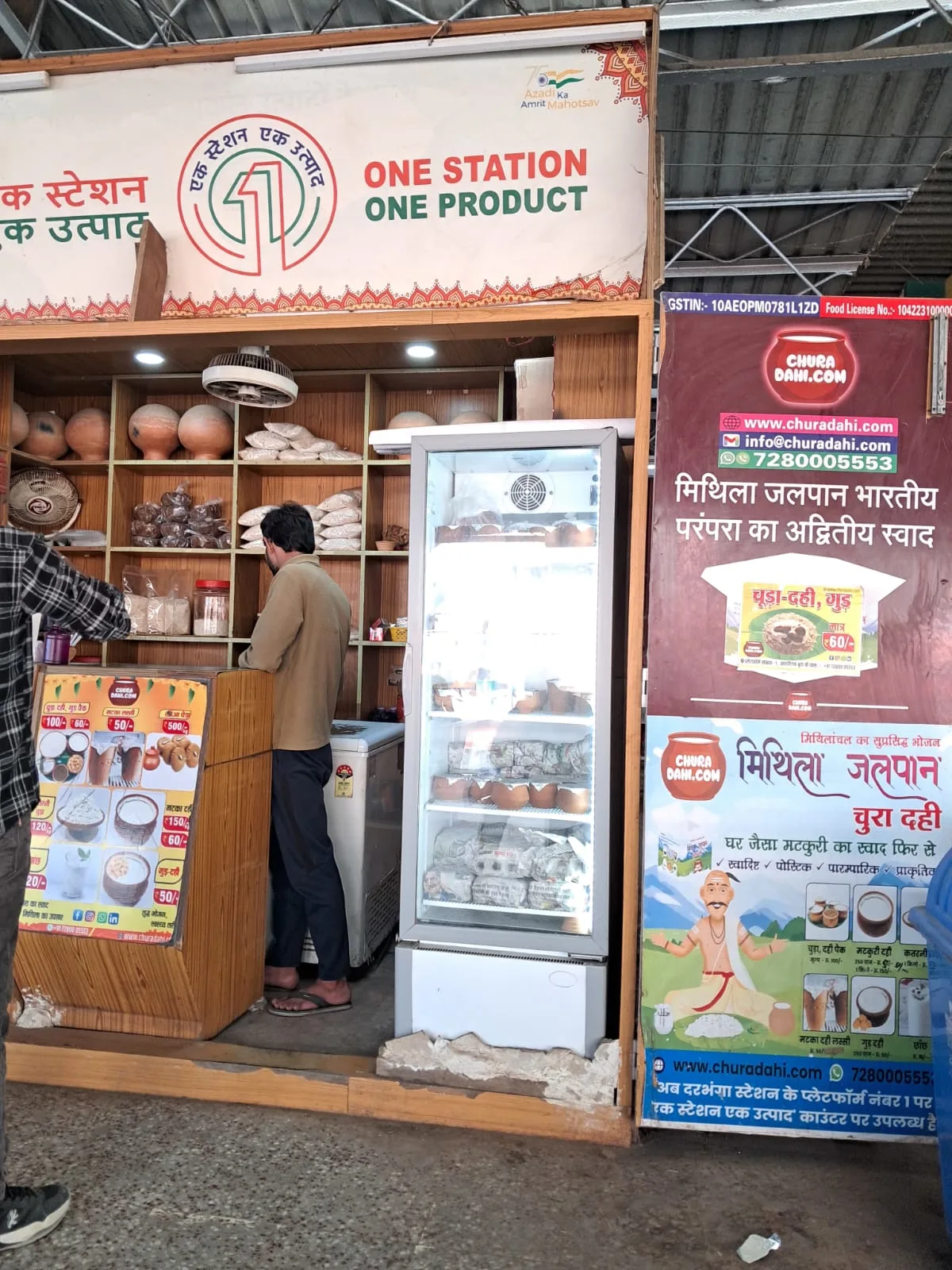
Darbhanga Junction is one of the busiest railway stations in North Bihar. It is well linked with major cities such as Delhi, Kolkata, Mumbai, Chennai, Bengaluru, Lucknow, Patna, and Guwahati through express and superfast trains.
Laheriasarai Railway Station also serves parts of the city.
By Road
Darbhanga is well connected by national and state highways. Regular bus services (government and private) operate from Patna, Muzaffarpur, Samastipur, Madhubani, Saharsa, and Sitamarhi etc. Taxis and shared cabs are also commonly used for regional travel.
In short, Darbhanga’s strong air, rail, and road connectivity makes it a convenient destination for tourists, students, researchers, and pilgrims visiting the cultural heart of Mithila.
Final Thought
Darbhanga is not a conventional tourist destination—it is a heritage city best experienced slowly. Its palaces narrate stories of enlightened kingship, its temples echo ancient faith, and its wetlands host birds that cross continents.
For travellers seeking history, culture, spirituality, and nature in one landscape, Darbhanga stands as one of Bihar’s most rewarding and under-explored destinations. There are a lot of tourist places in Darbhanga.
#tourist places in Darbhanga
Discover more from Mithila Delights
Subscribe to get the latest posts sent to your email.

One thought on “Tourist Places in Darbhanga: Palaces, Temples & Sanctuary”