Darbhanga’s Two Historic Museums Set for Renovation and Beautification
Chandradhari Museum and Maharajadhiraj Lakshmishwar Singh Museum to receive infrastructure upgrades; proposal for a public awareness campaign to preserve Mithila’s rich historical and archaeological heritage
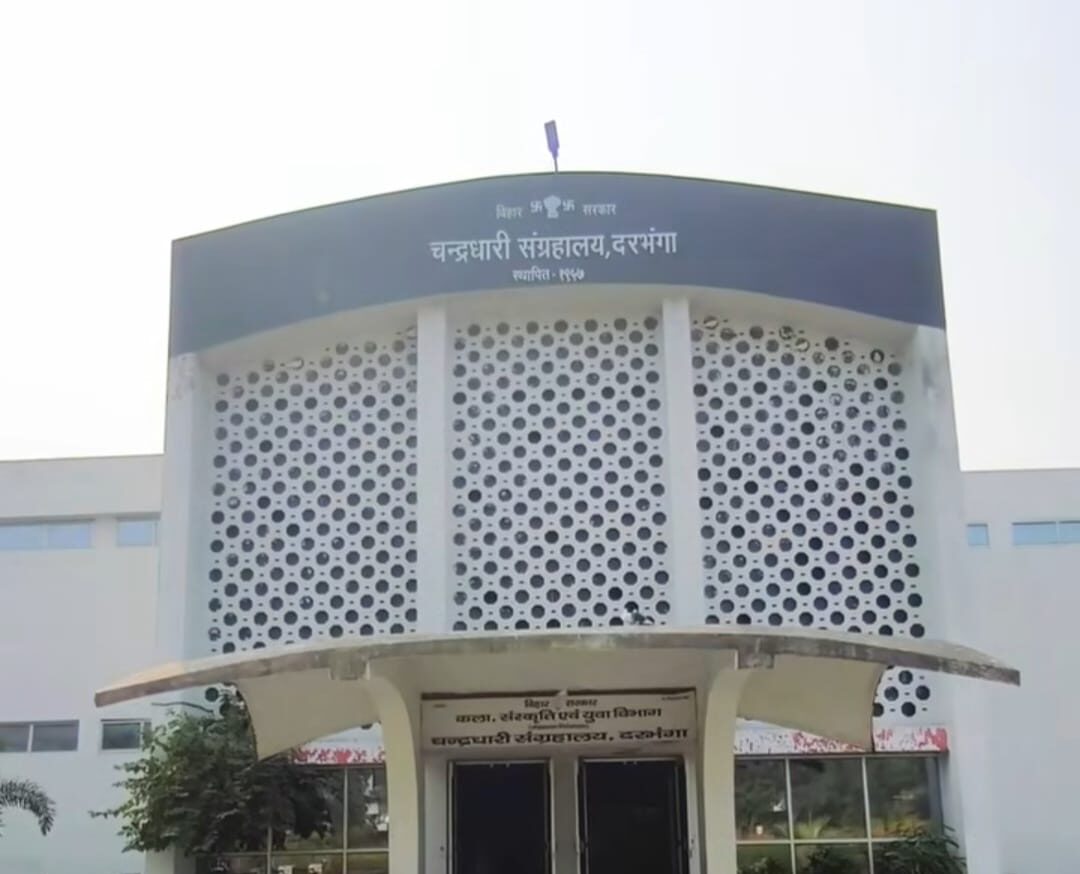
Darbhanga, November 24: Efforts to preserve and promote Mithila’s historical and cultural heritage have gained momentum, with plans underway to renovate and beautify two prominent museums in Darbhanga. The Chandradhari Museum and Maharajadhiraj Lakshmishwar Singh Museum are set to receive attention as part of a proposed development initiative.
IAS officer Krishna Kumar, Director of the Directorate of Museums and Archaeology, Bihar, inspected both museums to assess their present condition, available facilities and proposed development works. During the visit, he reviewed the requirements for renovation, beautification and improvement of visitor amenities.
The Director also held a meeting with representatives of the Bihar State Building Construction Corporation Limited and the Bihar State Road Development Corporation Limited to review the proposed infrastructure-related works.
He issued necessary instructions to the officials concerned, emphasising that the renovation and development activities should be carried out in a systematic manner while maintaining quality standards.
Infrastructure Development and Visitor Facilities Reviewed
The proposed development plan focuses not only on improving the physical condition of the museum buildings but also on making their premises more visitor-friendly.
During the discussions, particular attention was given to improving basic facilities for students, researchers, tourists and history enthusiasts who visit these institutions.
Museums play an important role in preserving historical objects and presenting the cultural, artistic and social history of a region. Their importance extends beyond the preservation of artefacts, as they also help people understand the evolution of society and civilisation.
The proposed improvements are expected to strengthen the role of both museums as important cultural institutions in the Mithila region.
Proposal for a Heritage Awareness Campaign Across Mithila
An important suggestion emerged during the inspection when Dr Murari Kumar Jha, a scholar of archaeology, proposed a comprehensive public awareness campaign to bring Mithila’s historical and archaeological heritage closer to ordinary people.
He pointed out that Bihar, particularly the Mithila region, is exceptionally rich in archaeological, historical, architectural and cultural heritage.
Ancient temples, sculptures, inscriptions, historical buildings, traditional water bodies and centuries-old cultural practices can be found across villages and towns in the region. However, a considerable part of this heritage remains undocumented or unfamiliar to the general public.
According to Dr Jha, many local communities are unaware of the historical and archaeological significance of monuments and objects located in their own surroundings.
He suggested that the Department of Art and Culture should initiate awareness programmes at the local level to identify such heritage sites, explain their historical importance and encourage communities to participate in their protection.
The proposed campaign could help create greater public awareness about local history while also encouraging people to take responsibility for preserving their cultural inheritance.
Director Krishna Kumar described the proposal as important.
Museums Should Become Active Centres of Cultural Learning
The discussions also highlighted the need to expand the role of museums beyond the traditional functions of collecting, preserving and displaying historical objects.
It was suggested that museums should develop into active centres connecting society with history, archaeology and cultural awareness.
This would require combining physical infrastructure development with educational and cultural initiatives.
Museums can provide valuable learning opportunities for students and researchers by presenting regional history in an accessible manner. They can also help younger generations understand the historical roots of their communities.
For a historically significant region like Mithila, such an approach could be particularly beneficial.
The region’s cultural identity is reflected not only in its literature, paintings and performing arts but also in its ancient architecture, sculpture, manuscripts, traditional water management systems and local customs.
Documenting and presenting these different aspects of Mithila’s heritage could help establish a stronger connection between local communities and their history.
Officials and Museum Representatives Attend Inspection
Several senior officials and representatives associated with the museum administration participated in the inspection and discussions.
Those present included Dr Shankar Suman, Additional Director of the Directorate of Museums; Dr Ravi Kant Kumar, Assistant Curator of Chandradhari Museum; Chandan Kumar, District Art and Culture Officer; and Manoranjan Kumar and Neeraj Kumar, among others.
The discussions covered both the immediate requirements of the two museums and the broader objective of preserving the historical and cultural resources of the region.
The participation of representatives from the state construction agencies also reflected the administrative focus on infrastructure development and the improvement of existing facilities.
A New Opportunity to Promote Mithila’s Historical Identity
The renovation of Chandradhari Museum and Maharajadhiraj Lakshmishwar Singh Museum could become an important step towards strengthening Darbhanga’s cultural and historical profile.
Improved museum facilities may attract more students, researchers and tourists. They could also contribute to the promotion of cultural tourism in the region.
However, the actual impact will depend on the timely implementation of the proposed works, the availability of resources and the quality of maintenance after renovation.
Equally important will be the development of a practical strategy for identifying, documenting and protecting historical sites located in villages and smaller settlements across Mithila.
If museum development is combined with community participation and a wider heritage awareness programme, the initiative could extend beyond the improvement of two buildings.
It could become part of a broader effort to protect Mithila’s historical legacy and make its rich cultural heritage more accessible to future generations.
Discover more from Mithila Delights
Subscribe to get the latest posts sent to your email.